
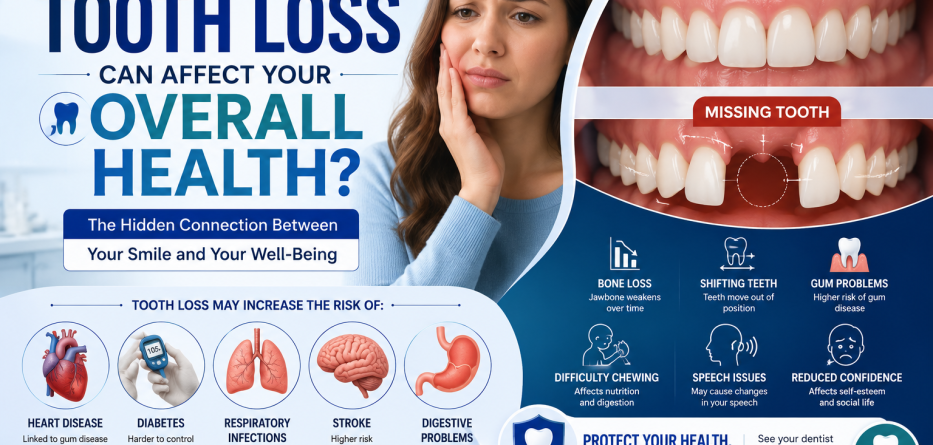
Most people think tooth loss is simply a cosmetic issue. While a missing tooth can certainly affect your smile and confidence, its impact goes much deeper. Tooth loss can influence your ability to eat, speak, and maintain proper oral hygiene. More importantly, it can have surprising effects on your overall health.
Research has shown that missing teeth may contribute to nutritional deficiencies, bone loss, digestive problems, and even an increased risk of certain chronic health conditions. Whether tooth loss occurs due to injury, gum disease, decay, or aging, replacing missing teeth and seeking prompt dental care is essential for protecting both oral and general health.
What You’ll Learn
In this article, you’ll discover:
- How tooth loss affects your oral health
- The connection between missing teeth and overall health
- Risks associated with untreated tooth loss
- Effects on nutrition and digestion
- Impact on bone health and facial structure
- Available tooth replacement options
- Tips for preventing tooth loss
What Causes Tooth Loss?
Tooth loss can occur for several reasons, including:
- Severe tooth decay
- Advanced gum disease (periodontitis)
- Dental trauma or accidents
- Poor oral hygiene
- Smoking and tobacco use
- Certain medical conditions such as diabetes
Understanding the cause is the first step toward prevention and treatment.
How Missing Teeth Affect Your Oral Health
Shifting Teeth and Bite Problems
When a tooth is lost, neighboring teeth begin to drift into the empty space. This movement can lead to:
- Bite misalignment
- Uneven tooth wear
- Jaw discomfort
- Difficulty chewing
Over time, these changes can affect the function of your entire mouth.
Increased Risk of Gum Disease
Gaps left by missing teeth can trap food particles and bacteria, increasing the risk of:
- Plaque buildup
- Gum inflammation
- Periodontal disease
- Additional tooth loss
The Link Between Tooth Loss and Overall Health
Poor Nutrition
People with missing teeth often avoid hard-to-chew foods such as:
- Fresh fruits
- Raw vegetables
- Lean meats
- Nuts
As a result, nutritional intake may decline, potentially leading to vitamin and mineral deficiencies.
Digestive Issues
Proper digestion begins in the mouth. Missing teeth can reduce chewing efficiency, causing food to enter the digestive system in larger pieces.
This may contribute to:
- Indigestion
- Poor nutrient absorption
- Digestive discomfort
Tooth Loss and Bone Loss
One of the most serious consequences of tooth loss is jawbone deterioration.
Natural tooth roots stimulate the jawbone during chewing. When a tooth is missing, this stimulation disappears, causing the bone to shrink over time.
Consequences of Bone Loss
- Changes in facial appearance
- Premature aging
- Sunken cheeks
- Reduced support for remaining teeth
Impact on Heart Health
Studies have found links between poor oral health, gum disease, and cardiovascular disease.
Although tooth loss itself may not directly cause heart disease, it is often associated with chronic oral infections and inflammation, which may contribute to:
- Increased cardiovascular risk
- Higher inflammation levels
- Greater likelihood of systemic health complications
Effects on Mental and Emotional Well-Being
Tooth loss can affect more than physical health.
Many people experience:
- Lower self-confidence
- Social anxiety
- Reduced willingness to smile
- Emotional distress
Restoring missing teeth often improves quality of life and self-esteem.
Can Tooth Loss Affect Speech?
Yes.
Missing teeth, especially front teeth, can make it difficult to pronounce certain sounds correctly.
Common speech issues include:
- Whistling sounds
- Slurred speech
- Difficulty with “s,” “f,” and “th” sounds
Treatment Options for Missing Teeth
Dental Implants
Dental implants are considered the gold standard for tooth replacement because they:
- Look natural
- Function like real teeth
- Help preserve jawbone
Dental Bridges
Bridges replace one or more missing teeth using support from neighboring teeth.
Dentures
Dentures are removable appliances that can replace several or all missing teeth.
Your dentist can recommend the most suitable option based on your oral health and needs.
How to Prevent Tooth Loss
Follow these tips to protect your teeth:
- Brush twice daily with fluoride toothpaste.
- Floss every day.
- Visit your dentist regularly.
- Avoid tobacco products.
- Manage chronic conditions such as diabetes.
- Wear a mouthguard during sports activities.
Conclusion
Tooth loss is more than a cosmetic concern. Missing teeth can affect your oral health, nutrition, digestion, bone structure, speech, confidence, and overall well-being. The good news is that modern dentistry offers effective solutions to restore both function and appearance.
If you have lost one or more teeth, seeking treatment early can help prevent further complications and protect your long-term health.
