
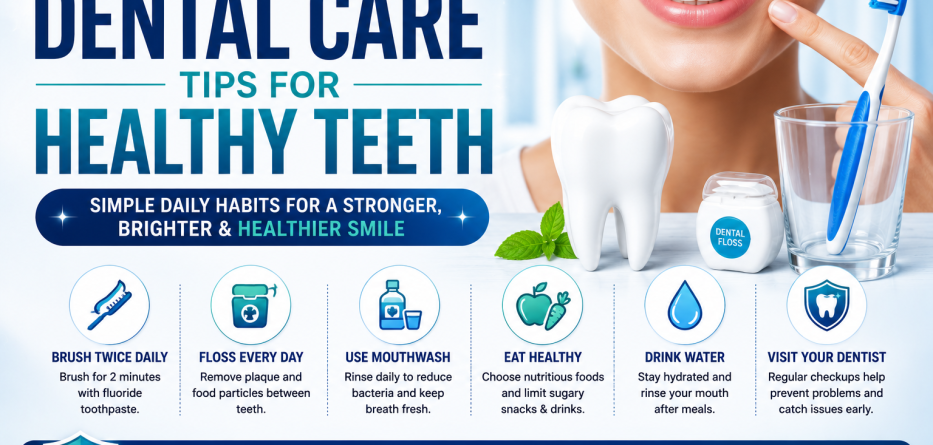
Healthy teeth are essential for more than just a beautiful smile. They play a crucial role in chewing, speaking, and maintaining overall health. Poor oral hygiene can lead to cavities, gum disease, bad breath, and even serious health issues such as heart disease and diabetes complications.
The good news is that maintaining healthy teeth doesn’t require complicated routines. With consistent oral care habits and regular dental visits, you can keep your teeth strong and your smile bright for years to come.
In this guide, we’ll share expert dental care tips for healthy teeth, explain why oral hygiene matters, and provide practical advice to help you achieve optimal dental health.
Why Is Dental Care Important?
Good oral hygiene helps prevent many common dental problems.
Benefits of Proper Dental Care
- Prevents tooth decay
- Reduces the risk of gum disease
- Freshens breath
- Maintains a bright smile
- Protects overall health
- Saves money on future dental treatments
Healthy teeth contribute to better confidence and overall well-being.
1. Brush Your Teeth Twice a Day
Brushing is the foundation of good oral health.
Dentists recommend brushing at least twice daily using fluoride toothpaste.
Proper Brushing Technique
- Hold the toothbrush at a 45-degree angle.
- Use gentle circular motions.
- Clean all tooth surfaces.
- Brush for at least two minutes.
- Don’t forget your tongue.
Common Brushing Mistakes
- Brushing too hard
- Brushing too quickly
- Using an old toothbrush
- Skipping nighttime brushing
Replace your toothbrush every three to four months.
2. Use Fluoride Toothpaste
Fluoride helps strengthen tooth enamel and reduce the risk of cavities.
Benefits of Fluoride
- Rebuilds weakened enamel
- Protects against decay
- Reduces tooth sensitivity
- Supports long-term oral health
Most dentists recommend fluoride toothpaste for both children and adults.
3. Floss Daily
Brushing alone cannot remove all food particles and plaque between teeth.
Daily flossing helps clean areas your toothbrush cannot reach.
Benefits of Flossing
- Removes plaque
- Prevents cavities between teeth
- Reduces gum inflammation
- Helps prevent bad breath
Flossing should be part of your daily oral hygiene routine.
4. Use an Antibacterial Mouthwash
Mouthwash can help reduce bacteria and freshen breath.
Advantages of Mouthwash
- Reaches difficult areas
- Reduces plaque buildup
- Supports gum health
- Helps prevent bad breath
Use a dentist-recommended mouthwash for best results.
5. Maintain a Healthy Diet
Your diet significantly impacts your dental health.
Foods That Support Healthy Teeth
- Dairy products
- Leafy greens
- Nuts
- Fish
- Fresh fruits
- Vegetables
Foods to Limit
- Sugary snacks
- Soft drinks
- Sticky candies
- Excessive acidic foods
A balanced diet helps strengthen teeth and gums.
6. Drink Plenty of Water
Water is one of the best beverages for oral health.
Benefits include:
- Washing away food particles
- Neutralizing acids
- Supporting saliva production
- Preventing dry mouth
Drinking water after meals can help protect your teeth.
7. Avoid Tobacco Products
Smoking and tobacco use can seriously harm oral health.
Risks Include
- Gum disease
- Tooth discoloration
- Bad breath
- Oral cancer
- Tooth loss
Quitting tobacco improves both oral and overall health.
8. Limit Sugary and Acidic Foods
Bacteria in the mouth feed on sugar and produce acids that attack tooth enamel.
Common Culprits
- Soda
- Sports drinks
- Candy
- Cakes
- Sweetened coffee drinks
Reducing sugar intake lowers the risk of cavities.
9. Protect Your Teeth During Sports
Sports-related dental injuries are common.
Use a Mouthguard If You Participate In
- Football
- Basketball
- Hockey
- Martial arts
- Soccer
Custom mouthguards provide the best protection.
10. Don’t Ignore Dental Problems
Small dental issues can become major problems if left untreated.
See your dentist if you experience:
- Tooth pain
- Bleeding gums
- Persistent bad breath
- Tooth sensitivity
- Loose teeth
Early treatment often prevents more complex procedures.
11. Visit Your Dentist Regularly
Professional dental care is essential even if your teeth feel healthy.
Benefits of Routine Checkups
- Early detection of problems
- Professional cleaning
- Oral cancer screening
- Personalized advice
Most dentists recommend visits every six months.
12. Take Care of Your Gums
Healthy gums are the foundation of healthy teeth.
Signs of healthy gums include:
- Pink color
- Firm texture
- No bleeding during brushing
Symptoms of gum disease may include:
- Swelling
- Redness
- Bleeding
- Gum recession
Prompt treatment helps protect both gums and teeth.
13. Manage Teeth Grinding (Bruxism)
Many people grind their teeth while sleeping.
Possible Consequences
- Worn enamel
- Tooth fractures
- Jaw pain
- Headaches
A custom nightguard can help protect your teeth from damage.
14. Replace Missing Teeth Promptly
Missing teeth can lead to:
- Shifting teeth
- Bite problems
- Bone loss
- Difficulty chewing
Treatment options may include:
- Dental implants
- Bridges
- Dentures
Replacing missing teeth helps maintain oral function and appearance.
15. Teach Good Oral Habits Early
Children who develop healthy dental habits are more likely to maintain them as adults.
Parents should encourage:
- Regular brushing
- Daily flossing
- Healthy eating
- Routine dental visits
Prevention is always better than treatment.
Daily Dental Care Checklist
Morning
✓ Brush teeth for two minutes
✓ Floss
✓ Rinse with mouthwash
Throughout the Day
✓ Drink water
✓ Limit sugary snacks
✓ Avoid tobacco
Night
✓ Brush thoroughly
✓ Floss again if necessary
✓ Clean retainers or dental appliances
Common Mistakes That Damage Teeth
Avoid these habits:
- Using teeth as tools
- Chewing ice
- Nail biting
- Skipping dental visits
- Excessive consumption of sugary drinks
- Aggressive brushing
Small changes can significantly improve oral health.
Frequently Asked Questions
How often should I brush my teeth?
Dentists recommend brushing at least twice daily for two minutes each time.
Is flossing really necessary?
Yes. Flossing removes plaque and food particles that brushing alone cannot reach.
What foods are best for healthy teeth?
Dairy products, leafy greens, nuts, fish, fruits, and vegetables support oral health.
How often should I visit the dentist?
Most people should schedule dental checkups every six months.
Can poor oral health affect overall health?
Yes. Research links oral health issues to heart disease, diabetes, and other health conditions.
What’s the best way to prevent cavities?
Brush with fluoride toothpaste, floss daily, reduce sugar intake, and visit your dentist regularly.
Conclusion
Maintaining healthy teeth requires a combination of good daily habits, a balanced diet, and regular professional dental care. By following these dental care tips for healthy teeth, you can reduce your risk of cavities, gum disease, and other oral health problems while enjoying a confident and beautiful smile.
Remember, prevention is always easier and more affordable than treatment. Investing a few minutes each day in your oral hygiene routine can lead to a lifetime of healthy teeth and gums.
