
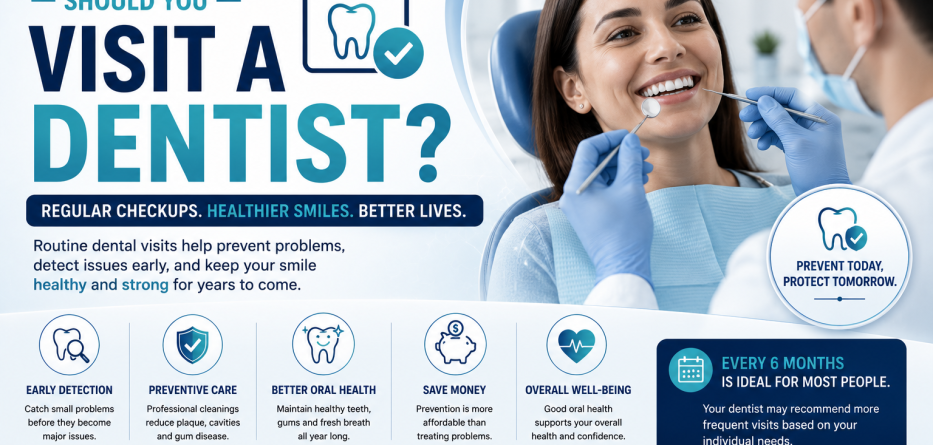
Many people only visit the dentist when they experience pain, discomfort, or a dental emergency. However, regular dental checkups are one of the most important steps you can take to maintain healthy teeth and gums. Preventive dental care helps identify problems early, reduce treatment costs, and keep your smile looking its best.
A common question patients ask is, “How often should you visit a dentist?” While the traditional recommendation is every six months, the ideal frequency can vary depending on your oral health, age, lifestyle, and risk factors.
In this article, we’ll explore how often you should see a dentist, why routine visits matter, and how personalized dental care can help protect your long-term oral health.
How Often Should You Visit a Dentist?
Quick Answer
For most people, visiting a dentist every six months is recommended for routine checkups and professional cleanings.
However, some individuals may need more frequent visits, while others with excellent oral health may require fewer appointments based on their dentist’s recommendation.
Why Are Regular Dental Visits Important?
Dental checkups are about much more than cleaning teeth.
Regular visits help dentists:
- Detect cavities early
- Monitor gum health
- Identify oral infections
- Screen for oral cancer
- Evaluate existing dental work
- Remove plaque and tartar buildup
- Prevent costly future treatments
Preventive care often helps avoid serious dental problems before they develop.
The Standard Recommendation: Every Six Months
Most dental professionals recommend scheduling a dental examination and cleaning every six months.
Benefits of Twice-Yearly Visits
- Professional plaque removal
- Early detection of dental issues
- Healthier gums
- Fresher breath
- Reduced risk of tooth loss
- Better overall oral health
For many patients, two visits per year provide the ideal balance of prevention and maintenance.
Factors That Influence How Often You Need Dental Visits
Not everyone has the same dental care needs.
Several factors can affect how frequently you should see your dentist.
1. Your Oral Health Status
Patients with healthy teeth and gums may only need routine six-month checkups.
However, those with ongoing dental issues may require more frequent monitoring.
2. Gum Disease Risk
Individuals with gum disease often benefit from visits every three to four months.
More frequent cleanings help the following:
- Control bacteria
- Reduce inflammation
- Prevent bone loss
- Protect tooth stability
3. History of Cavities
If you frequently develop cavities, your dentist may recommend additional preventive visits.
Risk factors include:
- High sugar consumption
- Poor oral hygiene
- Dry mouth
- Enamel weakness
4. Smoking and Tobacco Use
Tobacco users face increased risks of:
- Gum disease
- Tooth loss
- Oral cancer
- Delayed healing
More frequent dental evaluations help monitor these concerns.
5. Age
Different age groups have different dental needs.
Children
Children benefit from regular visits to:
- Monitor tooth development
- Prevent cavities
- Apply fluoride treatments
- Encourage healthy habits
Adults
Routine preventive care helps maintain long-term oral health.
Seniors
Older adults may require closer monitoring due to:
- Gum recession
- Tooth wear
- Dry mouth
- Existing dental restorations
6. Medical Conditions
Certain health conditions can impact oral health.
Examples include:
- Diabetes
- Heart disease
- Autoimmune disorders
- Osteoporosis
These patients may need more frequent dental assessments.
What Happens During a Routine Dental Visit?
A comprehensive dental appointment typically includes:
Dental Examination
The dentist evaluates:
- Teeth
- Gums
- Bite alignment
- Existing restorations
- Oral tissues
Professional Cleaning
A dental hygienist removes the following:
- Plaque
- Tartar
- Surface stains
Oral Cancer Screening
Early detection significantly improves treatment outcomes.
Digital X-Rays
When necessary, X-rays help identify problems not visible during a visual examination.
Signs You Should See a Dentist Sooner
Don’t wait for your next scheduled appointment if you experience:
- Tooth pain
- Swollen gums
- Bleeding gums
- Loose teeth
- Persistent bad breath
- Jaw pain
- Broken fillings
- Tooth sensitivity
Prompt treatment can prevent minor issues from becoming major problems.
How Regular Dental Visits Save Money
Many patients avoid dental appointments because they worry about costs.
However, preventive care is often far less expensive than restorative treatment.
Example Comparison
| Preventive Care | Potential Cost Savings |
|---|---|
| Routine Cleaning | Prevents advanced gum disease |
| Small Filling | Prevents root canal treatment |
| Early Detection | Avoids extensive restorative procedures |
Early intervention often reduces treatment complexity and expense.
The Connection Between Oral Health and Overall Health
Research continues to show strong links between oral health and general wellness.
Poor oral health has been associated with:
- Heart disease
- Diabetes complications
- Respiratory infections
- Pregnancy complications
Regular dental visits support both oral and overall health.
Tips for Maintaining Oral Health Between Visits
Professional care is important, but daily habits matter too.
Best Practices
- Brush twice daily
- Floss once daily
- Limit sugary foods and drinks
- Drink plenty of water
- Avoid tobacco products
- Replace toothbrushes regularly
- Follow your dentist’s recommendations
These habits help maintain healthy teeth and gums between appointments.
Frequently Asked Questions
Is visiting the dentist every six months necessary?
For most people, yes. Regular checkups help prevent problems and detect issues early.
Can I visit the dentist once a year instead?
Some individuals with excellent oral health may be suitable candidates for annual visits, but this should be determined by a dentist.
How often should children visit the dentist?
Children should generally visit every six months, beginning shortly after their first tooth appears or by age one.
Do people with dental implants need more frequent visits?
Some implant patients may benefit from additional monitoring and professional cleanings.
What if I haven’t seen a dentist in years?
Schedule an appointment as soon as possible. A comprehensive evaluation can identify any existing concerns and establish a treatment plan if needed.
Conclusion
So, how often should you visit a dentist?
For most people, a dental checkup every six months is the best way to maintain healthy teeth and gums. However, individual needs vary based on oral health, medical conditions, age, and risk factors.
Regular dental visits provide more than just clean teeth—they help prevent disease, detect problems early, and support your overall health. By combining professional care with good daily oral hygiene habits, you can enjoy a healthier smile for years to come.
