
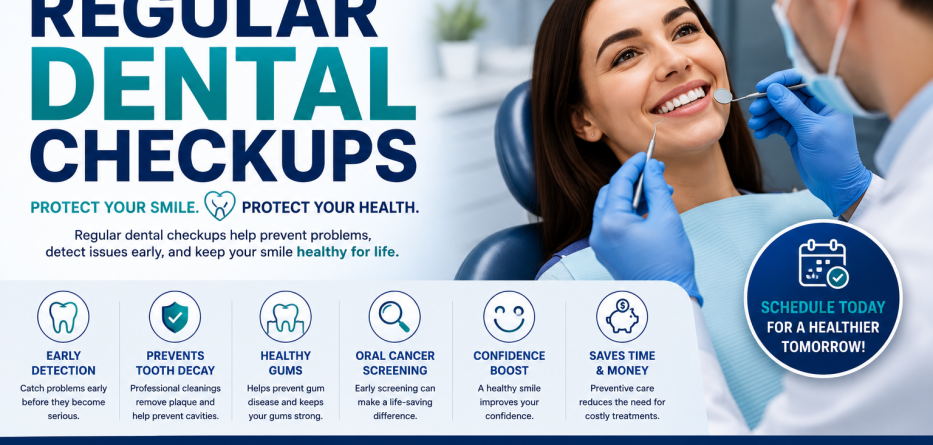
Many people only visit the dentist when they experience pain, discomfort, or a visible dental problem. However, waiting until a problem develops can often lead to more complex and expensive treatments. This is why regular dental checkups are one of the most important aspects of maintaining good oral health.
Routine dental visits help detect potential issues early, prevent serious dental conditions, and ensure your teeth and gums remain healthy for years to come. Whether you’re concerned about cavities, gum disease, bad breath, or maintaining a beautiful smile, regular dental checkups play a crucial role in protecting your overall oral health.
In this article, we’ll explore the importance of regular dental checkups, their benefits, and why preventive dental care is essential for people of all ages.
What Is a Regular Dental Checkup?
A regular dental checkup is a routine visit to a dentist for a comprehensive examination of your teeth, gums, and overall oral health.
During a typical appointment, the dentist may:
- Examine your teeth and gums
- Check for cavities
- Screen for gum disease
- Evaluate existing dental work
- Perform oral cancer screenings
- Take dental X-rays if necessary
- Recommend preventive treatments
Most dentists recommend scheduling checkups every six months, although some patients may require more frequent visits.
Why Are Regular Dental Checkups Important?
Regular dental checkups are essential because they help prevent problems before they become serious.
Key benefits include the following:
- Early detection of dental issues
- Prevention of tooth decay
- Protection against gum disease
- Professional cleaning
- Improved oral hygiene
- Better overall health
- Cost savings through preventive care
Preventive dentistry is often more affordable and less invasive than treating advanced dental problems.
Early Detection of Dental Problems
One of the biggest advantages of regular dental visits is early diagnosis.
Many dental issues develop silently without noticeable symptoms.
Your dentist can identify the following:
- Small cavities
- Cracked teeth
- Gum inflammation
- Oral infections
- Bite problems
Treating these issues early often prevents pain, extensive procedures, and higher treatment costs.
Prevention of Tooth Decay
Tooth decay remains one of the most common oral health problems worldwide.
Even with excellent brushing habits, plaque and bacteria can accumulate in hard-to-reach areas.
Regular checkups help:
- Detect cavities early
- Remove plaque buildup
- Strengthen teeth through preventive treatments
- Reduce the risk of tooth loss
Early intervention can often prevent the need for root canals or extractions.
Protection Against Gum Disease
Gum disease is a leading cause of tooth loss among adults.
Early-stage gum disease, known as gingivitis, may not cause noticeable discomfort.
Signs include:
- Bleeding gums
- Swelling
- Redness
- Persistent bad breath
Routine dental examinations allow dentists to detect and treat gum disease before it progresses to more severe stages.
Professional Dental Cleaning
Even diligent brushing and flossing cannot remove all plaque and tartar deposits.
Professional dental cleanings help:
- Remove hardened tartar
- Reduce bacteria
- Polish teeth
- Improve gum health
- Freshen breath
Professional cleanings are a vital part of preventive dental care.
Oral Cancer Screening
Regular dental visits may include oral cancer screenings.
Dentists examine:
- Tongue
- Gums
- Cheeks
- Lips
- Throat tissues
Early detection significantly improves treatment outcomes and survival rates.
Many patients are unaware that dentists play an important role in identifying oral cancer symptoms.
Maintaining a Healthy Smile
A healthy smile contributes to confidence and overall well-being.
Routine checkups help maintain the following:
- Whiter teeth
- Healthy gums
- Proper bite alignment
- Fresh breath
- Attractive appearance
Preventive care helps preserve your natural teeth and smile for years.
Saving Money Through Preventive Care
Many people avoid dental visits because they are concerned about costs.
However, preventive care is typically far less expensive than restorative treatment.
Cost Comparison
| Preventive Treatment | Advanced Treatment |
|---|---|
| Routine Cleaning | Root Canal |
| Small Filling | Crown |
| Dental Exam | Tooth Extraction |
| Fluoride Treatment | Dental Implant |
Regular checkups often help avoid costly emergency dental procedures.
Monitoring Existing Dental Work
If you have:
- Fillings
- Crowns
- Bridges
- Veneers
- Dental implants
Regular examinations ensure these restorations remain in good condition.
Your dentist can identify signs of wear or damage before they become major problems.
The Connection Between Oral Health and Overall Health
Research has shown strong links between oral health and systemic health.
Poor oral health has been associated with:
- Heart disease
- Diabetes
- Respiratory infections
- Pregnancy complications
Regular dental care helps support both oral and overall wellness.
Benefits for Children
Regular dental visits are especially important for children.
Benefits include:
- Monitoring tooth development
- Preventing cavities
- Encouraging good oral hygiene habits
- Detecting orthodontic issues early
Establishing positive dental habits during childhood often leads to better oral health in adulthood.
Benefits for Seniors
Older adults face unique dental challenges, including:
- Gum recession
- Tooth wear
- Dry mouth
- Missing teeth
Routine checkups help manage age-related oral health concerns and maintain quality of life.
How Often Should You Visit the Dentist?
For most people, dental checkups every six months are recommended.
However, some individuals may need more frequent visits, including those with:
- Gum disease
- Diabetes
- Smoking habits
- Extensive dental restorations
- High cavity risk
Your dentist can recommend a schedule based on your specific needs.
Signs You Should Schedule a Dental Checkup Immediately
Don’t wait for your next routine visit if you experience the following:
- Tooth pain
- Bleeding gums
- Swelling
- Loose teeth
- Persistent bad breath
- Sensitivity to hot or cold
- Jaw discomfort
Prompt evaluation can prevent complications and preserve oral health.
Tips for Maintaining Oral Health Between Visits
To support your dental health:
- Brush twice daily with fluoride toothpaste.
- Floss every day.
- Limit sugary foods and beverages.
- Drink plenty of water.
- Avoid tobacco products.
- Use an antibacterial mouthwash if recommended.
- Follow your dentist’s advice.
Good daily habits complement professional dental care.
Frequently Asked Questions
Why are regular dental checkups important?
They help prevent, detect, and treat dental problems before they become serious.
How often should I have a dental checkup?
Most dentists recommend every six months, although some patients may require more frequent visits.
Can regular checkups prevent cavities?
Yes. Professional cleanings and early detection significantly reduce cavity risk.
Are dental checkups necessary if I brush and floss daily?
Absolutely. Professional examinations can identify issues that are not visible at home.
What happens during a dental checkup?
The dentist examines your teeth and gums, checks for disease, performs screenings, and may recommend professional cleaning.
Conclusion
The importance of regular dental checkups cannot be overstated. Routine dental visits play a vital role in preventing cavities, detecting gum disease, monitoring oral health, and maintaining a healthy smile. They also support overall health and help patients avoid costly and complex treatments in the future.
By scheduling regular dental checkups and following good oral hygiene practices at home, you can protect your teeth, gums, and overall well-being for years to come. Preventive care is one of the smartest investments you can make in your long-term health.
