Dental implant surgery is one of the most successful and predictable procedures in modern dentistry. However, many patients become concerned when they notice facial swelling after their implant placement. If you’ve recently had dental implant surgery and your face is swollen, you may be wondering whether it’s a normal part of healing or a sign of a complication.
The good news is that swelling is often a completely normal response to dental implant surgery. In most cases, mild to moderate swelling peaks within a few days and gradually subsides as the body heals. However, there are situations where swelling may indicate an infection or another issue that requires professional attention.
In this guide, we’ll explain why swelling occurs after implant surgery, what’s considered normal, when you should be concerned, and how to reduce swelling during recovery.
Is Swelling After Dental Implant Surgery Normal?
Quick Answer
Yes. Swelling is a normal part of the body’s healing process following dental implant surgery.
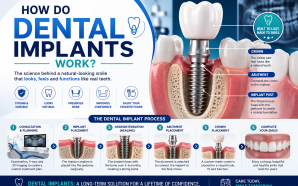
When the implant is placed into the jawbone, the body responds with temporary inflammation to begin repairing the surgical area.
Most patients experience:
- Mild to moderate facial swelling
- Tenderness around the implant site
- Minor bruising
- Slight discomfort
These symptoms are usually temporary and improve within a few days.
Why Does Swelling Occur After Implant Surgery?
Swelling is the body’s natural response to surgical trauma.
During the procedure:
- Gum tissue is opened
- Bone is prepared for implant placement
- Surrounding tissues become inflamed
This inflammatory response helps:
- Deliver healing cells
- Remove damaged tissue
- Protect against infection
- Support recovery
Although swelling can look alarming, it is often a sign that the healing process has begun.
How Much Swelling Is Normal?
Every patient heals differently, but most people experience some degree of swelling.
Typical Healing Timeline
| Time After Surgery | Expected Swelling |
|---|---|
| First 24 Hours | Mild swelling begins |
| 48–72 Hours | Swelling reaches peak |
| Days 4–7 | Gradual improvement |
| 1–2 Weeks | Most swelling resolves |
Patients receiving multiple implants or bone grafting procedures may experience more noticeable swelling.
Common Symptoms That Are Usually Normal
After dental implant surgery, the following symptoms are generally considered part of the normal healing process:
Mild to Moderate Swelling
Swelling around the cheeks, jaw, or gums is expected.
Bruising
Some patients develop bruising on the face or neck.
Minor Bleeding
Small amounts of bleeding during the first day are common.
Tenderness
The surgical area may feel sore for several days.
Limited Jaw Movement
Mild stiffness when opening the mouth is often temporary.
These symptoms typically improve with proper aftercare.
When Should You Be Concerned?
While swelling is normal, certain symptoms may indicate a complication.
Contact your dentist immediately if you experience:
Increasing Swelling After Day 3
Normal swelling usually peaks within 48–72 hours.
Worsening swelling after this period may suggest infection.
Fever
A temperature above 100.4°F (38°C) can indicate infection.
Severe Pain
Pain should gradually improve, not worsen.
Pus or Drainage
Any discharge around the implant site should be evaluated immediately.
Difficulty Breathing or Swallowing
This is a medical emergency and requires immediate treatment.
Persistent Bad Taste or Odor
These symptoms can be associated with infection.
Signs of a Dental Implant Infection
Although uncommon, infections can occur after implant surgery.
Symptoms May Include:
- Severe swelling
- Redness
- Throbbing pain
- Fever
- Pus discharge
- Gum inflammation
- Implant mobility
Prompt treatment helps prevent more serious complications.
How to Reduce Swelling After Implant Surgery
Following your dentist’s post-operative instructions can significantly reduce swelling and improve comfort.
Apply ice packs.
Use an ice pack on the outside of the face.
Recommended schedule:
- 20 minutes on
- 20 minutes off
Continue during the first 24–48 hours.
Keep Your Head Elevated
Sleeping with your head elevated can help minimize swelling.
Take Prescribed Medications
Follow your dentist’s instructions regarding:
- Pain relievers
- Anti-inflammatory medications
- Antibiotics if prescribed
Stay Hydrated
Drink plenty of water to support healing.
Eat Soft Foods
Choose foods such as:
- Yogurt
- Mashed potatoes
- Smoothies
- Scrambled eggs
- Soup
Avoid hard or crunchy foods near the surgical site.
Activities to Avoid During Recovery
Certain activities can worsen swelling.
Avoid:
- Smoking
- Alcohol consumption
- Strenuous exercise
- Using straws
- Excessive spitting
- Touching the surgical site
These habits can delay healing and increase complications.
Does Bone Grafting Cause More Swelling?
Yes.
Patients who undergo bone grafting in addition to implant placement often experience:
- More noticeable swelling
- Longer healing periods
- Additional tenderness
This is usually normal and does not necessarily indicate a problem.
How Long Does It Take to Heal Completely?
Although visible swelling usually improves within one to two weeks, complete healing takes longer.
General Healing Timeline
| Healing Stage | Duration |
|---|---|
| Soft Tissue Healing | 1–2 Weeks |
| Initial Bone Healing | 6–8 Weeks |
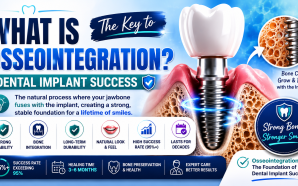
| Osseointegration | 3–6 Months |
Your dentist will monitor healing before placing the final restoration.
Tips for a Smooth Recovery
To promote successful healing:
- Follow all post-operative instructions.
- Use ice packs as directed.
- Take medications as prescribed.
- Maintain good oral hygiene.
- Attend follow-up appointments.
- Avoid smoking and tobacco products.
- Eat nutritious soft foods.
These steps can help reduce swelling and improve implant success.
Frequently Asked Questions
Is facial swelling normal after dental implant surgery?
Yes. Mild to moderate swelling is a common and expected part of the healing process.
When does swelling peak after implant surgery?
Swelling typically reaches its highest point within 48–72 hours after the procedure.
How long does swelling last?
Most swelling improves within one week and resolves almost completely within two weeks.
Should I worry if my cheek is swollen after a dental implant?
Not necessarily. Mild swelling is normal, but worsening swelling, fever, or pus should be evaluated by a dentist.
Can an implant infection cause facial swelling?
Yes. Infection may cause significant swelling, pain, redness, and fever.
Conclusion
If your face is swollen after dental implant surgery, there’s usually no reason to panic. Swelling is a normal part of the healing process and often peaks within the first few days before gradually improving.
However, it’s important to monitor your symptoms carefully. While mild swelling, bruising, and discomfort are expected, worsening swelling, severe pain, fever, or signs of infection should be evaluated immediately by your dental professional.
Following post-operative instructions, using ice packs, staying hydrated, and attending follow-up visits can help ensure a smooth recovery and long-term implant success.