

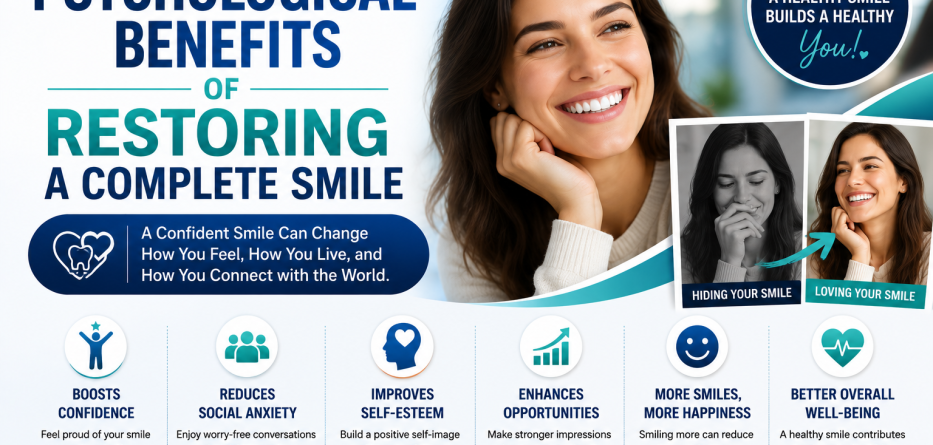
A smile is one of the first things people notice about us. It plays a significant role in communication, self-expression, and confidence. However, missing, damaged, or discolored teeth can negatively affect how people feel about themselves, often leading to embarrassment, anxiety, and social withdrawal.
While dental treatments such as implants, crowns, bridges, and veneers are often viewed as cosmetic or restorative procedures, their benefits extend far beyond oral health. Restoring a complete smile can have a profound impact on mental well-being, self-esteem, and overall quality of life.
In this article, we’ll explore the psychological benefits of restoring a complete smile and how modern dentistry can help individuals regain confidence, happiness, and emotional well-being.
Why Your Smile Matters More Than You Think
A smile is closely connected to personal identity and social interactions.
People often associate a healthy smile with:
- Confidence
- Success
- Good health
- Friendliness
- Attractiveness
When dental problems affect appearance, individuals may become self-conscious about smiling, speaking, or interacting with others.
Research has shown that people who feel confident about their smiles are more likely to engage socially, pursue opportunities, and maintain positive self-esteem.
The Emotional Impact of Missing or Damaged Teeth
Tooth loss and visible dental issues can affect emotional health in several ways.
Common Psychological Challenges
Many individuals experience:
- Reduced self-confidence
- Social anxiety
- Embarrassment
- Feelings of aging
- Depression or low mood
- Avoidance of photographs
- Reluctance to smile
These emotional effects can gradually influence both personal and professional relationships.
1. Increased Self-Confidence
One of the most significant benefits of smile restoration is improved self-confidence.
When patients feel proud of their smile, they often become more comfortable:
- Speaking in public
- Meeting new people
- Participating in social events
- Sharing photos
- Expressing themselves freely
Many patients report a dramatic boost in confidence shortly after completing their treatment.
2. Reduced Social Anxiety
People who are concerned about missing or damaged teeth often worry about being judged by others.
This can lead to:
- Avoiding conversations
- Covering the mouth while speaking
- Smiling less frequently
- Feeling uncomfortable in social settings
Restoring a complete smile helps eliminate these concerns and encourages more natural social interactions.
3. Improved Professional Confidence
Appearance can influence first impressions in professional environments.
A healthy smile often contributes to:
- Greater workplace confidence
- Improved communication
- Better presentation skills
- Stronger networking opportunities
Employees and professionals who feel confident about their appearance are often more willing to engage in meetings, interviews, and leadership roles.
4. Enhanced Self-Esteem
Self-esteem reflects how individuals perceive their own value and self-worth.
Dental concerns can negatively affect self-image, particularly when tooth loss is visible.
Smile restoration can help patients:
- Feel more attractive
- Improve self-perception
- Develop a more positive outlook
- Regain confidence in daily life
This improvement often extends beyond appearance and influences overall emotional well-being.
5. More Frequent Smiling
People who are unhappy with their teeth often avoid smiling.
However, smiling itself offers psychological benefits.
Research suggests smiling may help:
- Reduce stress
- Improve mood
- Encourage positive emotions
- Strengthen social connections
After smile restoration, many patients smile more naturally and more often.
6. Better Quality of Life
The benefits of a complete smile extend into nearly every aspect of life.
Patients frequently report improvements in:
- Social relationships
- Family interactions
- Professional opportunities
- Emotional health
- Daily comfort
A restored smile often contributes to greater overall life satisfaction.
7. Reduced Feelings of Aging
Tooth loss can alter facial appearance and contribute to an aged look.
Changes may include:
- Facial sagging
- Sunken cheeks
- Loss of facial support
Treatments such as dental implants can restore facial structure and create a more youthful appearance.
Many patients feel they look younger and healthier after treatment.
8. Increased Willingness to Participate in Social Activities
People who feel embarrassed about their teeth may avoid:
- Parties
- Weddings
- Family gatherings
- Public speaking engagements
- Group photos
Smile restoration often encourages greater participation in social events and activities.
This renewed confidence can strengthen relationships and improve emotional health.
9. Positive Impact on Mental Well-Being
A healthy smile can contribute to a more positive mindset.
Benefits may include:
- Reduced stress
- Greater confidence
- Improved emotional resilience
- Increased happiness
Many patients describe smile restoration as a life-changing experience rather than simply a dental procedure.
How Dental Implants Support Psychological Health
Among modern restorative treatments, dental implants provide unique emotional benefits.
Advantages include:
- Natural appearance
- Improved chewing ability
- Permanent stability
- Enhanced facial aesthetics
- Long-term confidence
Because implants closely mimic natural teeth, many patients report feeling like they have their original smile back.
Smile Restoration Options
Several treatments can help restore a complete smile.
Dental Implants
Replace missing tooth roots and provide permanent support.
Dental Bridges
Fill gaps created by missing teeth.
Crowns
Restore damaged or weakened teeth.
Veneers
Improve the appearance of chipped, stained, or uneven teeth.
Implant-Supported Dentures
Provide greater stability than traditional dentures.
A dentist can recommend the most appropriate treatment based on individual needs.
Signs That Your Smile Is Affecting Your Confidence
You may benefit from smile restoration if you:
- Avoid smiling in photos
- Feel embarrassed about missing teeth
- Cover your mouth when laughing
- Avoid social situations
- Feel self-conscious while speaking
Recognizing these signs is often the first step toward improving both oral health and emotional well-being.
Frequently Asked Questions
Can restoring my smile really improve my confidence?
Yes. Many patients report significantly improved self-confidence and self-esteem after restorative dental treatment.
Do dental implants improve quality of life?
Dental implants often improve comfort, appearance, chewing ability, and confidence, contributing to a better overall quality of life.
Is smile restoration only cosmetic?
No. While aesthetics are important, smile restoration also improves oral function, emotional well-being, and social confidence.
How quickly do patients notice psychological benefits?
Many individuals notice improvements in confidence and self-esteem shortly after treatment is completed.
What is the best treatment for missing teeth?
Dental implants are often considered the gold standard because they provide a natural appearance, stability, and long-term durability.
Conclusion
The benefits of restoring a complete smile go far beyond aesthetics. A healthy, confident smile can improve self-esteem, reduce social anxiety, enhance professional confidence, and contribute to overall emotional well-being.
Whether through dental implants, crowns, bridges, or other restorative treatments, smile restoration can have a lasting impact on both oral health and quality of life. For many patients, regaining a complete smile means regaining confidence, happiness, and the freedom to fully enjoy everyday interactions.

