

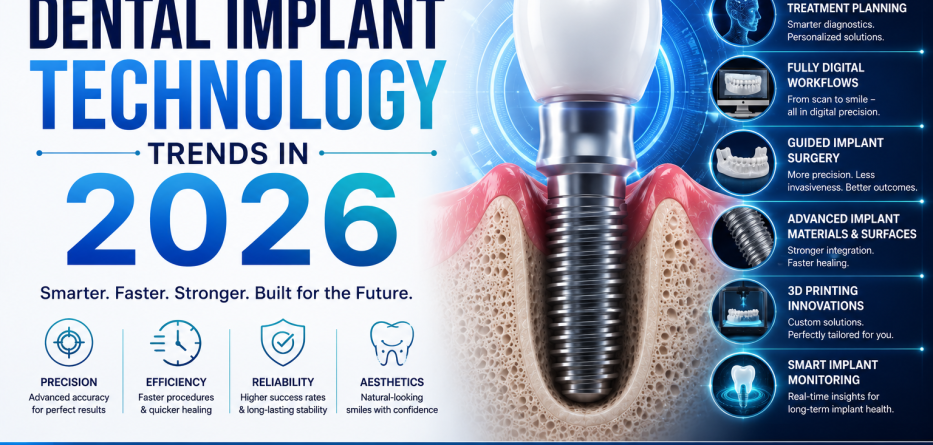
Dental implant technology continues to evolve rapidly, making treatments safer, faster, more precise, and more comfortable than ever before. In 2026, advancements in digital dentistry, artificial intelligence, biomaterials, and minimally invasive surgical techniques are transforming how dental implants are planned, placed, and maintained.
Patients today expect natural-looking results, shorter recovery times, and long-lasting restorations. Fortunately, modern implant technology is meeting these expectations through innovative solutions that improve both clinical outcomes and patient experiences.
In this article, we’ll explore the most important dental implant technology trends shaping implant dentistry in 2026 and how these innovations are benefiting patients and dental professionals alike.
Why Dental Implant Technology Is Advancing Rapidly
The demand for dental implants continues to grow worldwide due to:
- Aging populations
- Increased awareness of oral health
- Higher patient expectations
- Advances in digital dentistry
- Improved implant success rates
As a result, manufacturers and clinicians are investing heavily in technologies that enhance precision, efficiency, and long-term outcomes.
1. AI-Powered Implant Planning
Artificial Intelligence (AI) is becoming a valuable tool in implant dentistry.
AI-driven software can analyze the following:
- CBCT scans
- Bone density
- Anatomical structures
- Implant positioning
- Treatment outcomes
Benefits of AI Planning
- Improved accuracy
- Reduced human error
- Better treatment predictability
- Customized treatment plans
- Enhanced patient safety
AI helps dentists make data-driven decisions while preserving clinical expertise.
2. Fully Digital Implant Workflows
One of the biggest trends in 2026 is the shift toward fully digital implant workflows.
Traditional impressions are increasingly being replaced by:
- Intraoral scanners
- Digital treatment planning
- CAD/CAM restorations
- Virtual implant simulations
Advantages
- Greater precision
- Improved patient comfort
- Faster treatment
- Better communication between specialists
- Reduced appointment times
Digital workflows streamline the entire implant process from consultation to final restoration.
3. Guided Implant Surgery
Computer-guided implant placement has become increasingly common.
Using advanced software and surgical guides, dentists can plan and execute implant placement with exceptional precision.
Benefits
- Minimally invasive procedures
- Reduced surgical risks
- Faster healing
- Improved implant positioning
- Greater patient confidence
Guided surgery is particularly useful for complex cases involving limited bone availability.
4. Next-Generation Implant Materials
Titanium remains the gold standard for dental implants, but material innovations continue to emerge.
Popular Materials in 2026
Advanced Titanium Alloys
- Increased strength
- Enhanced durability
- Better osseointegration
Zirconia Implants
- Metal-free alternative
- Excellent aesthetics
- Biocompatibility
- Reduced plaque accumulation
Many patients seeking holistic or metal-free dentistry are exploring zirconia implant options.
5. Improved Implant Surface Technology
Modern implant surfaces are engineered to accelerate healing and promote stronger bone integration.
New Surface Treatments
- Nano-textured coatings
- Hydrophilic surfaces
- Bioactive coatings
- Antibacterial technologies
Benefits include:
- Faster osseointegration
- Improved stability
- Reduced healing times
- Higher success rates
These advancements help implants integrate more efficiently with the surrounding bone.
6. Immediate Load Dental Implants
Patients increasingly prefer solutions that minimize waiting times.
Immediate load implants allow temporary restorations to be placed shortly after implant surgery in selected cases.
Advantages
- Faster smile restoration
- Reduced treatment duration
- Improved patient satisfaction
- Enhanced confidence during healing
Careful patient selection remains essential for successful immediate loading.
7. 3D Printing in Implant Dentistry
3D printing continues to revolutionize implant treatment.
Applications include:
- Surgical guides
- Implant models
- Temporary restorations
- Custom abutments
- Full-arch prosthetics
Benefits
- Greater customization
- Reduced manufacturing costs
- Faster turnaround times
- Improved treatment accuracy
As 3D printing technologies improve, customization options continue expanding.
8. Regenerative Dentistry and Growth Factors
Bone regeneration technologies are becoming increasingly sophisticated.
Modern regenerative techniques utilize the following:
- Platelet-rich fibrin (PRF)
- Bone graft substitutes
- Growth factors
- Tissue engineering solutions
Benefits
- Improved healing
- Better bone regeneration
- Increased implant eligibility
- Enhanced long-term stability
Patients with insufficient bone volume now have more treatment options than ever before.
9. Smart Implant Monitoring Technologies
One emerging trend is the development of smart dental implant systems.
Future implant technologies may include:
- Embedded sensors
- Real-time monitoring
- Early infection detection
- Bite force analysis
Although still developing, these innovations may revolutionize preventive implant care.
10. Enhanced Patient Experience Through Technology
Modern technology isn’t just improving treatment outcomes—it’s also improving the patient experience.
Innovations include:
- Virtual treatment simulations
- Digital smile design
- Augmented reality consultations
- Interactive treatment planning
Patients can now visualize potential outcomes before treatment begins.
This increased transparency improves confidence and treatment acceptance.
Sustainability in Implant Dentistry
Environmental responsibility is becoming an important focus in healthcare.
Many manufacturers are introducing the following:
- Sustainable packaging
- Eco-friendly production methods
- Reduced material waste
- Digital documentation systems
These initiatives help reduce the environmental impact of dental care.
The Future of Dental Implant Technology
Several innovations are expected to gain traction beyond 2026.
Future developments may include:
- Robotic implant placement
- Advanced AI diagnostics
- Bioengineered implant materials
- Personalized regenerative therapies
- Fully integrated digital ecosystems
These technologies have the potential to further improve implant success rates and patient outcomes.
Benefits of Modern Implant Technology for Patients
Patients benefit from:
- More precise treatment
- Faster healing
- Improved comfort
- Better aesthetics
- Higher success rates
- Shorter appointments
- Long-lasting results
The combination of digital planning and advanced materials continues to raise the standard of care.
Frequently Asked Questions
What is the biggest dental implant trend in 2026?
AI-assisted treatment planning and fully digital workflows are among the most significant trends shaping implant dentistry in 2026.
Are dental implants becoming more affordable?
Advances in technology and manufacturing are helping improve efficiency, although costs still vary based on case complexity and location.
Is guided implant surgery better?
Guided surgery often improves precision, reduces surgical risks, and enhances treatment predictability.
Are zirconia implants replacing titanium implants?
Titanium remains the most commonly used material, but zirconia implants are gaining popularity among patients seeking metal-free alternatives.
Will AI replace implant dentists?
No. AI serves as a decision-support tool that enhances clinical planning, while dentists remain responsible for diagnosis and treatment execution.
Conclusion
Dental implant technology trends in 2026 reflect a shift toward greater precision, personalization, and patient-centered care. Innovations such as AI-powered treatment planning, digital workflows, guided surgery, advanced biomaterials, regenerative therapies, and 3D printing are transforming implant dentistry.
These advancements are helping dentists deliver safer, more efficient, and more predictable treatments while improving the overall patient experience. As technology continues to evolve, dental implants will remain one of the most advanced and effective solutions for restoring healthy, confident smiles.

