
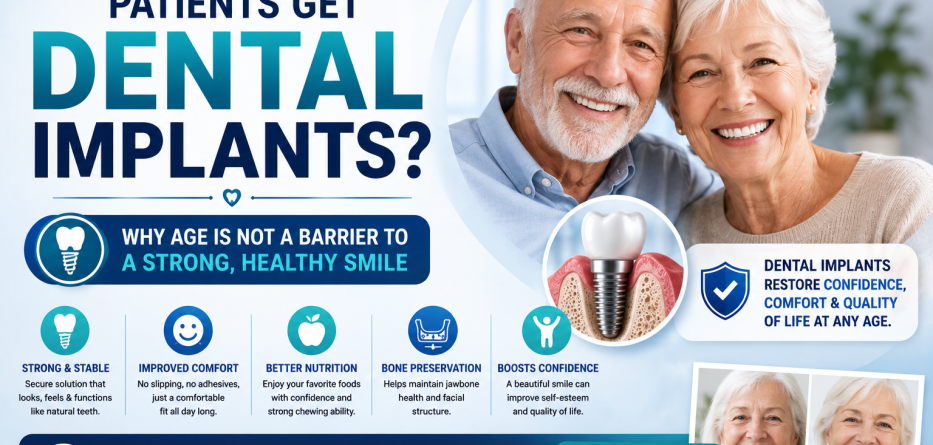
Many seniors who have lost one or more teeth wonder whether they are too old for dental implants. The good news is that age alone is rarely a barrier to successful implant treatment. In fact, dental implants have helped millions of older adults restore their smiles, improve chewing ability, and regain confidence.
Modern dental implant technology allows elderly patients to enjoy a stable, long-lasting alternative to dentures and bridges. With proper evaluation and treatment planning, many people in their 60s, 70s, 80s, and even 90s can be excellent candidates for dental implants.
In this article, we’ll explore whether elderly patients can get dental implants, the benefits, potential challenges, and what factors dentists consider before treatment.
Can Seniors Get Dental Implants?
Quick Answer
Yes. Most elderly patients can safely receive dental implants if they have adequate oral health, sufficient bone support, and are medically fit for treatment.
Age itself does not determine implant success. Instead, dentists evaluate the following:
- Overall health
- Bone density
- Gum health
- Medical history
- Lifestyle factors
Many seniors enjoy excellent outcomes with dental implant treatment.
Why Tooth Loss Is Common in Older Adults
As people age, the risk of tooth loss increases due to:
- Gum disease
- Tooth decay
- Trauma
- Wear and tear
- Medical conditions
Missing teeth can negatively impact:
- Nutrition
- Speech
- Self-confidence
- Facial appearance
- Overall oral health
Dental implants offer a reliable solution for restoring both function and aesthetics.
Benefits of Dental Implants for Elderly Patients
Improved Chewing Ability
Traditional dentures may slip or move while eating.
Dental implants provide a stable foundation that allows seniors to enjoy:
- Fresh fruits
- Vegetables
- Nuts
- Meat
- Other nutritious foods
Better chewing often leads to improved nutrition and overall health.
Enhanced Comfort
Unlike removable dentures, implants become securely anchored in the jawbone.
Benefits include:
- No slipping
- No adhesives
- Reduced irritation
- Improved stability
Many patients report that implants feel similar to natural teeth.
Better Speech
Loose dentures can affect pronunciation and speech clarity.
Implants help seniors
- Speak clearly
- Avoid embarrassing denture movement
- Feel more confident during conversations
Preservation of Jawbone Health
When teeth are lost, the jawbone gradually shrinks due to lack of stimulation.
Dental implants help preserve bone by functioning like natural tooth roots.
Benefits include:
- Reduced bone loss
- Improved facial structure
- Long-term oral health support
Improved Quality of Life
Many elderly patients experience significant improvements in:
- Self-esteem
- Social confidence
- Comfort
- Daily activities
A healthy smile can positively affect emotional and psychological well-being.
Is There an Age Limit for Dental Implants?
One of the most common misconceptions is that dental implants are only suitable for younger adults.
The Truth
There is no upper age limit for dental implants.
Research has shown that healthy seniors can achieve implant success rates comparable to younger patients.
Patients in their
- 60s
- 70s
- 80s
- 90s
have successfully received dental implants and enjoyed long-term results.
Factors Dentists Evaluate Before Treatment
Overall Health
Good general health supports healing and implant success.
Dentists will review:
- Medical conditions
- Medications
- Surgical history
- Immune function
Bone Density
Adequate jawbone volume is necessary to support implants.
If bone loss has occurred, procedures such as bone grafting may help create a suitable foundation.
Gum Health
Healthy gums are essential for successful implant treatment.
Conditions such as periodontitis should be treated before implant placement.
Lifestyle Habits
Certain habits may affect outcomes.
Examples include:
- Smoking
- Excessive alcohol consumption
- Poor oral hygiene
Addressing these factors can improve treatment success.
Can Elderly Patients with Medical Conditions Get Implants?
Many seniors have chronic health conditions and still qualify for implant treatment.
Common Conditions Considered
Diabetes
Well-controlled diabetes generally does not prevent implant placement.
Osteoporosis
Patients with osteoporosis may still be candidates, although bone quality must be carefully evaluated.
Heart Disease
Many individuals with heart conditions successfully receive implants after medical clearance.
Arthritis
Arthritis rarely prevents treatment, although mobility limitations may influence oral hygiene routines.
A thorough medical evaluation helps determine individual suitability.
Dental Implants vs Dentures for Seniors
| Feature | Dental Implants | Dentures |
|---|---|---|
| Stability | Excellent | Moderate |
| Bone Preservation | Yes | No |
| Chewing Ability | Excellent | Limited |
| Comfort | High | Variable |
| Lifespan | 20+ Years | 5–10 Years |
| Maintenance | Similar to Natural Teeth | Requires Removal |
Many seniors choose implants because they offer superior comfort, function, and long-term value.
Types of Dental Implants for Elderly Patients
Single Tooth Implants
Ideal for replacing one missing tooth.
Multiple Dental Implants
Used when several teeth are missing.
Implant-Supported Bridges
Restore multiple teeth without removable appliances.
Full-Arch Implant Solutions
Options such as All-on-4® can replace an entire arch of teeth using a limited number of implants.
These solutions often provide greater stability than traditional dentures.
What Is the Recovery Process Like?
Most seniors recover well after implant placement.
Typical Healing Timeline
| Stage | Approximate Time |
|---|---|
| Initial Healing | 1–2 Weeks |
| Osseointegration | 3–6 Months |
| Final Restoration | After Healing |
Patients may experience:
- Mild swelling
- Minor discomfort
- Temporary sensitivity
Most symptoms resolve within a few days.
How Seniors Can Improve Implant Success
Follow Good Oral Hygiene Practices
- Brush twice daily
- Floss regularly
- Attend dental cleanings
Avoid Smoking
Smoking increases the risk of complications and implant failure.
Maintain Regular Checkups
Routine dental visits allow early detection of potential issues.
Follow Post-Operative Instructions
Carefully following your dentist’s recommendations promotes proper healing.
Frequently Asked Questions
Am I too old for dental implants?
No. Age alone does not prevent implant treatment. Overall health and bone support are more important factors.
Can an 80-year-old get dental implants?
Yes. Many patients in their 80s successfully receive dental implants.
Are dental implants safe for seniors?
Yes. Dental implants have a long history of safe and predictable use in older adults.
Do implants heal slower in elderly patients?
Healing may vary based on health conditions, but many seniors experience successful healing and integration.
Are implants better than dentures for seniors?
Many patients find implants more comfortable, stable, and functional than traditional dentures.
Conclusion
So, can elderly patients get dental implants?
Absolutely. Age is rarely a limiting factor when it comes to implant treatment. With proper evaluation, healthy gums, adequate bone support, and good overall health, seniors can enjoy the many benefits of dental implants, including improved chewing ability, enhanced confidence, better oral health, and a higher quality of life.
For older adults seeking a long-lasting solution to tooth loss, dental implants remain one of the most effective and reliable treatment options available today.
