Few dental procedures are as misunderstood as a root canal treatment. Many people associate root canals with pain, but the reality is quite the opposite. A root canal is designed to relieve pain, save a damaged tooth, and prevent serious oral health complications.
The challenge is recognizing when you actually need one. Tooth infections often develop gradually, and the warning signs may be easy to overlook in the early stages. Ignoring these symptoms can lead to severe pain, abscesses, bone loss, and even tooth extraction.
In this guide, we’ll discuss the most common signs you may need a root canal, what causes tooth pulp damage, and why early treatment can help save your natural tooth.
What Is a Root Canal?
A root canal is a dental procedure used to remove infected or damaged pulp from inside a tooth.
The pulp contains:
- Nerves
- Blood vessels
- Connective tissue
When the pulp becomes infected or inflamed, a dentist removes the damaged tissue, cleans the root canals, disinfects the tooth, and seals it to prevent further infection.
Quick Definition
A root canal is a tooth-saving procedure that removes infection from the inside of a tooth while preserving its natural structure.
Why Might You Need a Root Canal?
Several dental problems can damage the pulp.
Common causes include:
- Deep tooth decay
- Cracked teeth
- Dental trauma
- Repeated dental procedures
- Severe gum disease
- Untreated cavities
Once bacteria reach the pulp, treatment is often necessary to prevent the infection from spreading.
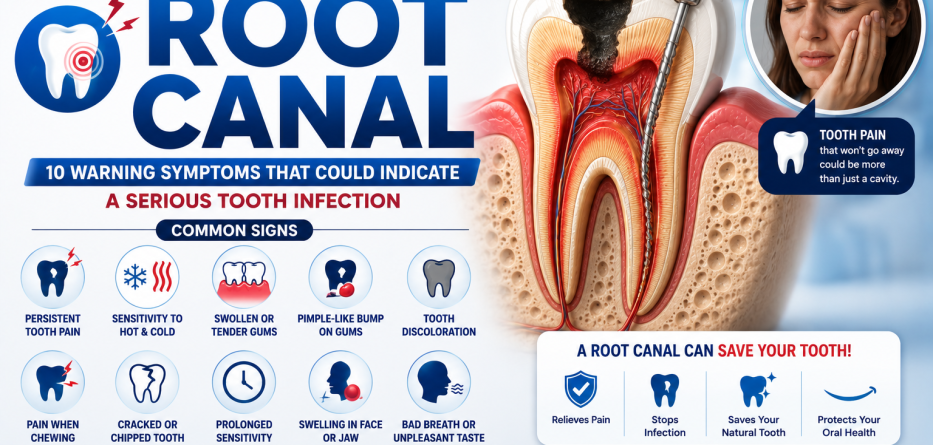
1. Persistent Tooth Pain
One of the most common signs you may need a root canal is ongoing tooth pain.
The pain may:
- Come and go
- Be constant
- Feel deep within the tooth
- Radiate into the jaw, face, or ear
Pain that continues for several days should never be ignored.
When to Be Concerned
Seek dental evaluation if pain
- Worsens over time
- Interferes with sleep
- Occurs without obvious cause
- Returns repeatedly
2. Sensitivity to Hot and Cold Temperatures
Occasional sensitivity is common.
However, prolonged sensitivity can indicate nerve damage inside the tooth.
Warning Signs
- Sharp pain from hot drinks
- Lingering sensitivity after cold foods
- Pain that lasts several minutes
If discomfort continues even after the temperature stimulus is removed, a root canal may be necessary.
3. Swollen or Tender Gums
An infected tooth often causes inflammation around the affected area.
You may notice:
- Gum swelling
- Tenderness
- Localized discomfort
- Puffy gum tissue
The swelling may appear near the root of the infected tooth.
4. A Pimple-Like Bump on the Gums
A small bump or boil on the gums can indicate a dental abscess.
This bump may:
- Release pus
- Cause a bad taste
- Produce foul-smelling drainage
- Reappear repeatedly
This is a serious sign of infection that requires prompt treatment.
5. Tooth Discoloration
A tooth that becomes darker than surrounding teeth may indicate internal damage.
Common colors include:
- Gray
- Brown
- Dark yellow
This discoloration often occurs when the nerve inside the tooth begins to die.
6. Pain When Chewing or Biting
If biting down causes pain, the infection may have reached the tooth’s root.
Patients often report:
- Sharp pain when chewing
- Pressure sensitivity
- Discomfort when releasing a bite
This symptom may indicate inflammation around the root tip.
7. A Cracked or Chipped Tooth
Trauma can expose the inner pulp to bacteria.
Causes include:
- Sports injuries
- Falls
- Biting hard foods
- Teeth grinding
Even if pain is not immediate, damaged teeth should be evaluated quickly.
8. Prolonged Sensitivity After Dental Treatment
Some temporary sensitivity is normal after dental work.
However, lingering discomfort may indicate the following:
- Pulp irritation
- Nerve inflammation
- Infection
Persistent symptoms should be assessed by a dentist.
9. Swelling in the Face or Jaw
Advanced tooth infections may spread beyond the tooth itself.
Possible symptoms include:
- Facial swelling
- Jaw swelling
- Enlarged lymph nodes
- Fever
These symptoms require immediate dental attention.
10. Bad Breath or Unpleasant Taste
An infected tooth may produce the following:
- Chronic bad breath
- Persistent unpleasant taste
- Pus drainage
These signs often indicate bacterial infection within the tooth.
Signs of a Dental Abscess
A dental abscess is one of the most serious consequences of an untreated tooth infection.
Symptoms Include
- Severe throbbing pain
- Swelling
- Fever
- Difficulty swallowing
- Bad taste in the mouth
A dental abscess requires urgent treatment and should never be ignored.
Root Canal vs Tooth Extraction
When a tooth is severely infected, patients often wonder whether a root canal or extraction is the better choice.
Comparison
| Factor | Root Canal | Extraction |
|---|---|---|
| Saves Natural Tooth | Yes | No |
| Chewing Function | Preserved | Reduced Until Replacement |
| Appearance | Natural | Requires Replacement |
| Bone Preservation | Better | Bone Loss Possible |
| Long-Term Cost | Often Lower | May Require Implant or Bridge |
Whenever possible, preserving the natural tooth is usually the preferred option.
What Happens During a Root Canal?
Modern root canals are comfortable and highly effective.
Treatment Steps
- Examination and X-rays
- Local anesthesia
- Removal of infected pulp
- Cleaning and disinfection
- Filling and sealing
- Crown placement if necessary
Most patients report that the procedure feels similar to receiving a dental filling.
Can a Root Canal Save Your Tooth?
Yes.
Root canal treatment has a high success rate and allows many patients to keep their natural teeth for decades.
Benefits include:
- Pain relief
- Infection removal
- Tooth preservation
- Improved oral health
Early treatment offers the best chance of long-term success.
How to Prevent Root Canals
Although not all cases are preventable, good oral care reduces risk significantly.
Prevention Tips
- Brush twice daily
- Floss every day
- Visit your dentist regularly
- Treat cavities early
- Wear a mouthguard during sports
- Avoid chewing hard objects
Preventive care helps protect the tooth pulp from damage and infection.
Frequently Asked Questions
How do I know if I need a root canal?
Persistent pain, sensitivity, swelling, tooth discoloration, and gum abscesses are common warning signs.
Can a tooth infection go away on its own?
No. Once the pulp becomes infected, professional treatment is usually necessary.
Is a root canal painful?
Modern root canal procedures are generally no more uncomfortable than getting a dental filling.
How long does a root canal take?
Most treatments can be completed in one or two visits.
What happens if I delay treatment?
Delaying treatment can allow the infection to spread, increasing the risk of abscesses and tooth loss.
Conclusion
Recognizing the signs you need a root canal can help prevent serious dental complications and save your natural tooth. Persistent pain, sensitivity to hot and cold, swelling, discoloration, and gum abscesses are all warning signs that should not be ignored.
The good news is that modern root canal treatment is safe, effective, and designed to relieve discomfort—not cause it. If you’re experiencing any of these symptoms, seeking prompt dental care can protect your oral health and restore your smile for years to come.