
Dental implants are one of the most effective and long-lasting solutions for replacing missing teeth. They look, feel, and function like natural teeth, making them a popular choice for millions of patients worldwide. However, if you’re a smoker, you may wonder whether you’re a suitable candidate for dental implants and whether smoking affects implant success.
The short answer is yes—smokers can get dental implants. However, smoking increases the risk of complications before, during, and after implant treatment. Understanding these risks and taking the right precautions can significantly improve the chances of a successful outcome.
In this guide, we’ll explore how smoking affects dental implants, the potential risks involved, and what smokers can do to improve implant success rates.
Can Smokers Receive Dental Implants?
Yes, smokers can receive dental implants in many cases. Dentists do not automatically exclude smokers from implant treatment. However, smoking is considered a significant risk factor because it can interfere with healing and reduce the implant’s ability to integrate with the jawbone.
Before recommending treatment, your dentist will evaluate:
- Overall oral health
- Gum condition
- Bone density
- Smoking habits
- Medical history
Many smokers successfully receive dental implants and enjoy long-term results when proper care and precautions are taken.
How Smoking Affects Dental Implant Success
Smoking impacts the body’s natural healing process in several ways.
Reduced Blood Flow
Nicotine causes blood vessels to constrict, reducing blood circulation to the gums and jawbone.
This can lead to:
- Slower healing
- Reduced oxygen supply
- Increased infection risk
Healthy blood flow is essential for successful implant healing.
Impaired Osseointegration
Osseointegration is the process where the implant fuses with the surrounding bone.
Smoking can interfere with this critical process by:
- Limiting blood supply
- Slowing bone regeneration
- Increasing inflammation
Without proper osseointegration, implant stability may be compromised.
Higher Risk of Infection
Smoking weakens the immune system’s ability to fight bacteria.
As a result, smokers may experience:
- Gum infections
- Delayed wound healing
- Peri-implantitis
- Bone loss around implants
These complications can increase the likelihood of implant failure.
Are Dental Implants Less Successful in Smokers?
Research consistently shows that smokers generally experience lower implant success rates compared to non-smokers.
Implant Success Comparison
| Patient Group | Average Success Rate |
|---|---|
| Non-Smokers | 95%–98% |
| Light Smokers | 90%–95% |
| Heavy Smokers | Lower Success Rates |
While many smokers achieve successful outcomes, the risk of complications tends to increase with the number of cigarettes smoked daily.
Risks Smokers Face After Dental Implant Surgery
Delayed Healing
Healing may take longer because smoking reduces the body’s ability to repair tissues efficiently.
Increased Implant Failure Risk
Poor healing can prevent the implant from properly bonding with the jawbone.
Greater Bone Loss
Smoking accelerates bone deterioration around the implant site.
Gum Disease
Smokers are more likely to develop periodontal disease, which can threaten implant stability.
Can Quitting Smoking Improve Implant Success?
Absolutely.
Stopping smoking before and after implant surgery is one of the most effective ways to improve outcomes.
Benefits include:
- Faster healing
- Improved blood circulation
- Better bone regeneration
- Reduced infection risk
- Higher implant success rates
Many implant specialists strongly encourage smoking cessation before treatment.
How Long Should Smokers Stop Before Implant Surgery?
Recommendations vary depending on the patient and treatment plan.
Many dentists suggest:
Before Surgery
- Stop smoking at least 1–2 weeks before implant placement.
After Surgery
- Avoid smoking for at least 2–8 weeks during the critical healing phase.
Longer smoke-free periods generally lead to better outcomes.
Tips for Smokers Considering Dental Implants
If you smoke and are considering dental implants, follow these steps:
1. Be Honest About Your Smoking Habits
Inform your dentist about:
- Number of cigarettes per day
- Duration of smoking history
- Use of vaping products or tobacco alternatives
This information helps determine risk levels.
2. Improve Oral Hygiene
Maintain excellent oral care by:
- Brushing twice daily
- Flossing regularly
- Using antibacterial mouthwash
- Attending professional cleanings
Healthy gums support implant success.
3. Follow Post-Operative Instructions
Your dentist may recommend:
- Dietary modifications
- Medication use
- Follow-up appointments
- Temporary smoking restrictions
Carefully following instructions reduces complications.
4. Consider Smoking Cessation Support
Many patients use:
- Nicotine replacement therapy
- Counseling programs
- Support groups
- Smoking cessation clinics
Even reducing tobacco use can benefit healing.
Are Alternatives Better for Smokers?
Dental implants are still often considered the best tooth replacement option for smokers. However, alternative treatments may sometimes be discussed, including:
Dental Bridges
Pros:
- No surgical procedure
- Faster treatment
Cons:
- Does not prevent bone loss
- Requires alteration of adjacent teeth
Dentures
Pros:
- Non-surgical
- Lower initial cost
Cons:
- Less stable
- Reduced chewing efficiency
- Bone loss continues over time
For many smokers, implants remain the preferred solution despite the additional risks.
Who Is a Good Candidate for Dental Implants Despite Smoking?
You may still be a strong candidate if you:
- Have healthy gums
- Possess sufficient jawbone density
- Practice good oral hygiene
- Are willing to reduce or quit smoking
- Follow professional recommendations
Every case is unique and requires a personalized assessment.
How Dentists Improve Implant Success for Smokers
Modern implant dentistry offers several techniques that help improve outcomes.
These may include:
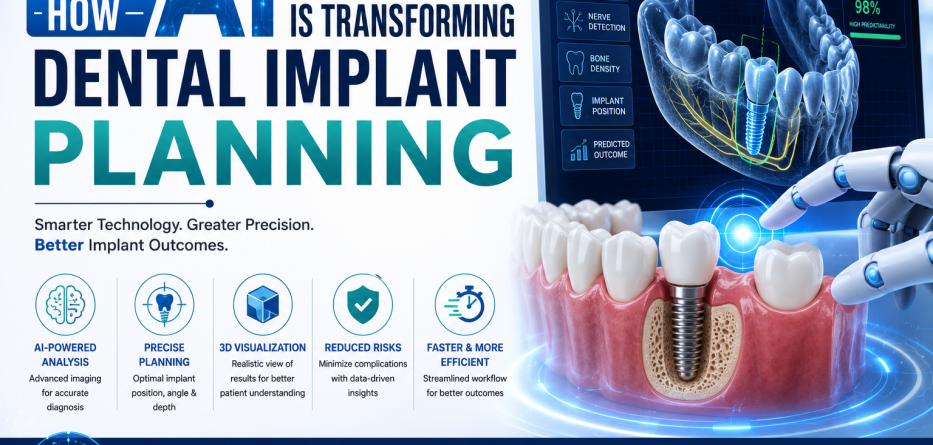
- Advanced imaging and treatment planning
- Bone grafting procedures
- Surface-treated implants
- Guided implant placement
- Customized maintenance programs
These advancements help reduce risk and improve long-term success.
Frequently Asked Questions
Can heavy smokers get dental implants?
Yes, but heavy smokers face a higher risk of complications and implant failure compared to non-smokers.
Will my dentist refuse treatment if I smoke?
Not necessarily. Many smokers successfully receive implants after a thorough evaluation.
Is vaping safer than smoking for implants?
Vaping may reduce exposure to certain toxins, but nicotine can still negatively affect healing and osseointegration.
How can I improve my implant success rate as a smoker?
Quit or reduce smoking, maintain excellent oral hygiene, and follow your dentist’s instructions carefully.
Can smoking cause dental implant failure years later?
Yes. Long-term smoking increases the risk of bone loss, gum disease, and peri-implantitis, which can compromise implant stability.
Conclusion
So, can smokers get dental implants?
The answer is yes. Many smokers successfully receive dental implants and enjoy long-lasting results. However, smoking increases the risk of complications such as delayed healing, infection, bone loss, and implant failure.
The good news is that reducing or quitting smoking, maintaining excellent oral hygiene, and following your dentist’s recommendations can significantly improve your chances of implant success. If you’re a smoker considering dental implants, consult an experienced implant dentist to determine the best treatment plan for your individual needs.
With the right approach, a healthy and confident smile is still within reach.
