
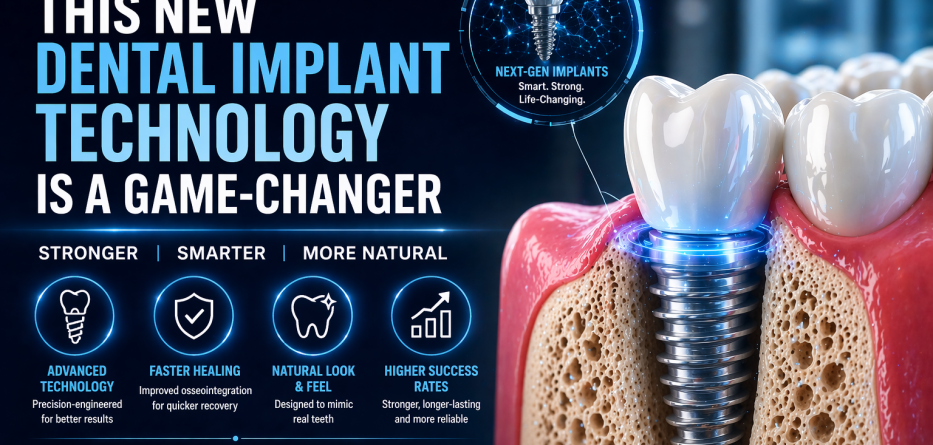
A new wave of innovation in dentistry is redefining how missing teeth are treated. Experts are calling the latest advancements in dental implants a “game-changer”, thanks to breakthroughs that improve comfort, speed up healing, and deliver results closer than ever to natural teeth.
From smart implants to regenerative materials, this new technology is not just enhancing smiles—it’s transforming the entire patient experience.
What Is the Latest Tooth Replacement Technology in Modern Dentistry?
Modern dental implants are no longer just artificial tooth replacements. They are now designed using advanced science and digital precision to work more naturally with the human body.
Key innovations include:
- Smart implants that aim to mimic natural tooth sensation
- Regenerative materials that support bone growth
- Improved implant surfaces for faster healing
- Digital planning tools for precise placement
These advancements are making dental procedures more efficient and predictable than ever before.
How Modern Dental Implant Technology Is Transforming Tooth Replacement
This new dental implant technology stands out because it addresses many long-standing challenges in implant dentistry:
Faster Recovery
Patients can heal quicker, reducing downtime and discomfort.
More Natural Feel
Advanced designs allow implants to function more like real teeth.
Higher Success Rates
Better materials and techniques improve long-term outcomes.
Minimally Invasive Procedures
Modern tools reduce surgical complexity and improve precision.
New Dental Implants and Next-Generation Implant Technology Explained
Leading organizations such as the U.S. Food and Drug Administration are actively reviewing and approving new technologies to ensure safety and effectiveness. Clinical trials are already underway for several innovations, including bone regeneration solutions and smart implant systems.
Top Dental Implant Innovations That Improve Comfort, Precision, and Success Rates
The future of implant dentistry looks promising, with ongoing research focused on:
- Fully bio-integrated implants with nerve connections
- AI-guided implant placement
- Personalized treatments based on individual patient needs
These developments could soon make dental implants indistinguishable from natural teeth in both function and feel.
Latest Tooth Replacement Technology: How Modern Dental Implant Innovations Are Changing Smiles
Missing teeth can affect more than just your appearance. They can impact your ability to eat, speak, and maintain proper oral health. Fortunately, advancements in tooth replacement technology have transformed the way dentists restore missing teeth. Modern dental implant technology offers patients safer, faster, and more natural-looking solutions than ever before.
In this article, we’ll explore the latest dental implant innovations and how they are revolutionizing tooth replacement.
What Is the Latest Tooth Replacement Technology in Modern Dentistry?
The field of dentistry has experienced significant technological advancements over the last decade. Today’s tooth replacement technology focuses on improving precision, comfort, durability, and treatment outcomes.
Digital dentistry, 3D imaging, computer-guided implant placement, and advanced biomaterials have become standard components of modern implant procedures. These innovations allow dental professionals to diagnose, plan, and execute treatments with remarkable accuracy.
As a result, patients can enjoy shorter recovery times, fewer complications, and highly predictable outcomes.
How Modern Dental Implant Technology Is Transforming Tooth Replacement
Modern dental implant technology has dramatically improved the success rate of dental implants. Traditional methods relied heavily on manual measurements and surgeon experience. Today, digital tools provide detailed insights into a patient’s oral anatomy before treatment begins.
Advanced diagnostic systems help dentists evaluate bone density, gum health, and implant positioning. This level of precision reduces surgical risks and enhances long-term implant stability.
Patients also benefit from minimally invasive procedures that reduce discomfort and promote faster healing compared to conventional techniques.
New Dental Implants and Next-Generation Implant Technology Explained
New dental implants are designed with enhanced materials and innovative surface technologies that encourage faster bone integration. These next-generation dental implants improve the connection between the implant and surrounding bone tissue.
Modern implant manufacturers use specialized surface treatments that stimulate natural healing and osseointegration. Some implants even feature bioactive coatings that support tissue regeneration.
These developments make dental implants more effective for a wider range of patients, including those with lower bone density or complex dental conditions.
Top Dental Implant Innovations That Improve Comfort, Precision, and Success Rates
Dental implant innovations continue to enhance both patient experience and clinical outcomes. Some of the most notable advancements include:
- Computer-guided implant surgery
- Digital smile design
- Cone Beam Computed Tomography (CBCT)
- Immediate-load implants
- Robotic-assisted implant placement
- Artificial intelligence-powered treatment planning
These technologies allow dentists to create highly customized treatment plans. By improving surgical precision, they reduce healing time and increase overall implant success rates.
Patients can now experience more predictable and comfortable treatment journeys.
New Dental Implant Systems: What’s Different From Traditional Implants?
New dental implant systems are engineered to address many of the limitations associated with older implant designs.
Traditional implants often required lengthy treatment periods involving multiple surgical stages. Modern systems offer streamlined procedures and faster restoration timelines.
Many new implant systems feature:
- Improved implant thread designs
- Enhanced implant surfaces
- Better soft tissue integration
- Immediate placement options
- Simplified surgical protocols
These advancements help create stronger, more stable foundations for replacement teeth while reducing treatment complexity.
Innovative Tooth Replacement Solutions Using Advanced Dental Technology
Advanced dental technology has expanded the range of tooth replacement options available today. Beyond conventional implants, dentists can now offer innovative solutions tailored to individual patient needs.
Examples include:
- All-on-4 implant systems
- Full-arch implant restorations
- Zygomatic implants
- Mini dental implants
- Same-day dental implants
These modern tooth replacement solutions provide effective alternatives for patients who may not qualify for traditional implant procedures.
The goal is to deliver functional, aesthetic, and long-lasting results with minimal disruption to daily life.
Latest Implant Dentistry Trends: Digital Planning, 3D Printing, and AI
Implant dentistry is becoming increasingly digital. Several cutting-edge technologies are reshaping the way treatments are planned and delivered.
Digital Planning
Digital planning software enables dentists to virtually position implants before surgery. This improves treatment accuracy and minimizes potential complications.
3D Printing
3D printing technology allows the creation of surgical guides, temporary restorations, and dental models with exceptional precision. This reduces treatment times and enhances customization.
Artificial Intelligence
AI-powered software can analyze patient data, identify treatment risks, and recommend optimal implant positions. These tools help clinicians make informed decisions while improving patient outcomes.
Together, these technologies represent the future of modern implant dentistry.
Newest Dental Implant Technology: Materials, Techniques, and Faster Healing
The newest dental implant technology focuses on improving healing and long-term durability.
Titanium remains the most commonly used implant material due to its strength and biocompatibility. However, zirconia implants are gaining popularity among patients seeking metal-free alternatives.
Other innovations include:
- Laser-assisted implant procedures
- Platelet-rich fibrin (PRF) therapy
- Advanced bone grafting techniques
- Enhanced implant coatings
These developments accelerate tissue healing and improve implant integration, helping patients recover more quickly after treatment.
How New Dental Procedures Technology Is Making Implant Treatment Safer and More Predictable
Safety and predictability are major priorities in modern implant dentistry.
New dental procedures technology enables dentists to identify potential challenges before surgery begins. High-resolution imaging systems provide detailed views of nerves, bone structures, and surrounding tissues.
Computer-guided surgical templates help ensure precise implant placement while minimizing damage to healthy tissue.
As a result, patients experience:
- Reduced surgical risks
- Improved treatment accuracy
- Faster recovery periods
- Better long-term outcomes
These advancements have made dental implants one of the most reliable tooth replacement solutions available today.
The Future of Implant Technology: New Dental Implant Technology and Emerging Innovations
The future of implant technology looks incredibly promising. Researchers and manufacturers continue to develop new approaches that enhance patient care and treatment efficiency.
Emerging innovations include:
- Smart dental implants with monitoring capabilities
- Nanotechnology-enhanced implant surfaces
- Regenerative tissue engineering
- AI-driven treatment optimization
- Personalized implant manufacturing
These next-generation developments may further improve healing times, implant longevity, and overall treatment success.
As dental technology continues to evolve, patients can expect even more comfortable, efficient, and predictable tooth replacement options in the years ahead.
Conclusion
Modern dental implant technology has transformed the field of tooth replacement. From digital treatment planning and 3D printing to AI-powered diagnostics and next-generation implant systems, today’s innovations are making dental implants more effective than ever.
Whether you’re considering dental implants for a single missing tooth or a full-mouth restoration, the latest advancements offer improved comfort, faster recovery, and long-lasting results. By choosing a dental provider who embraces modern implant technology, patients can benefit from the most advanced tooth replacement solutions available today.
DentalImplants, #DentalTechnology, #DentalInnovation, #GameChanger, #FutureOfDentistry, #AdvancedDentistry, #ImplantDentistry, #SmartDentalImplants, #ModernDentistry, #ToothReplacement, #OralHealth, #DentalCare, #SmileTransformation, #CosmeticDentistry, #HealthySmile, #DentalScience, #MedicalInnovation, #NextGenDentistry, #DigitalDentistry, #ImplantTechnology, #DentalExperts, #SmileCare, #HealthcareInnovation, #DentalAwareness, #InnovationInHealthcare
