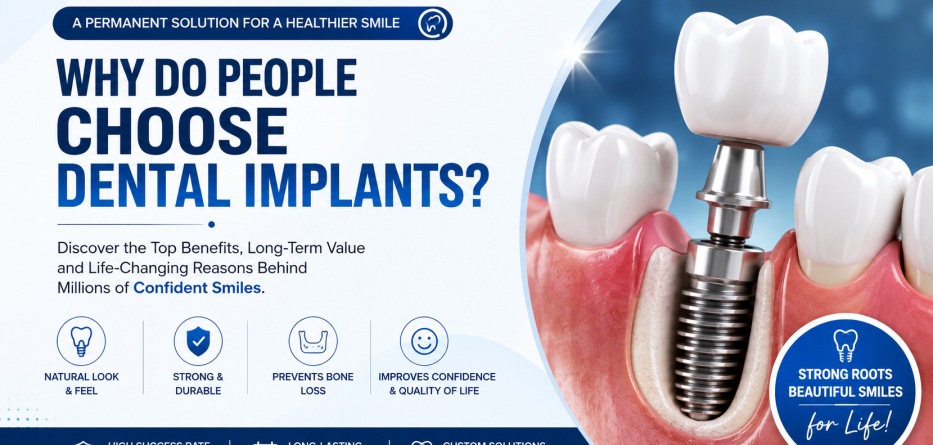
Losing a tooth can affect far more than your smile. It can impact your confidence, speech, chewing ability, and even the health of your jawbone. That’s why millions of people worldwide are turning to dental implants as a long-term tooth replacement solution.
Dental implants have become one of the most trusted and effective ways to replace missing teeth because they look, feel, and function like natural teeth. Unlike traditional dentures or bridges, implants provide a permanent foundation that supports oral health and improves quality of life.
What You’ll Learn
In this guide, you’ll discover:
- Why people choose dental implants
- The major benefits of dental implants
- How implants compare to dentures and bridges
- Long-term health advantages
- Success rates and longevity
- Costs and value considerations
- Who is a good candidate for implants
- Common questions patients ask
What Are Dental Implants?
A dental implant is an artificial tooth root, usually made from titanium, that is surgically placed into the jawbone. Once healed, a custom crown is attached to create a natural-looking replacement tooth.
Components of a Dental Implant
- Implant post
- Abutment
- Dental crown
The implant fuses with the jawbone through a process called osseointegration, creating a stable and durable foundation.
Quick Answer
Dental implants are permanent tooth replacements that mimic natural tooth roots, providing superior stability, functionality, and aesthetics compared to traditional tooth replacement methods.
Top Reasons Why People Choose Dental Implants
1. Natural Appearance and Feel
One of the biggest reasons patients choose dental implants is their natural look.
Unlike removable dentures, implants are designed to blend seamlessly with surrounding teeth.
Benefits include:
- Natural-looking smile
- Improved facial appearance
- No visible metal clasps
- Customized color matching
Many patients report forgetting they even have an implant after a few months.
2. Improved Chewing Ability
Missing teeth can make eating difficult.
Dental implants restore nearly the same chewing force as natural teeth.
Patients can comfortably eat:
- Apples
- Steak
- Nuts
- Corn on the cob
- Crunchy vegetables
Unlike dentures, implants do not slip or shift during meals.
3. Better Speech and Communication
Loose dentures can affect pronunciation and speech clarity.
Dental implants stay firmly anchored, helping patients:
- Speak clearly
- Avoid slurring
- Increase confidence during conversations
- Eliminate concerns about dentures moving
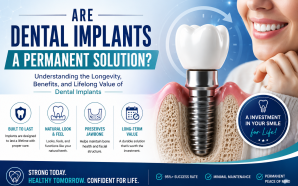
4. Long-Term Durability
Research consistently shows implant success rates exceeding 95% in healthy patients.
Many implants last:
| Restoration Type | Average Lifespan |
|---|---|
| Dental Implant | 20+ Years |
| Dental Bridge | 5-15 Years |
| Dentures | 5-10 Years |
With proper care, implants can last a lifetime.
5. Prevention of Bone Loss
When a tooth is lost, the jawbone underneath begins to shrink.
Dental implants stimulate the jawbone similarly to natural tooth roots.
Benefits include:
- Bone preservation
- Reduced facial sagging
- Improved facial structure
- Long-term oral health support
This is one of the most important medical advantages of implants.
Dental Implants vs Dentures
Why Many Patients Prefer Implants
| Feature | Dental Implants | Dentures |
|---|---|---|
| Stability | Excellent | Moderate |
| Bone Preservation | Yes | No |
| Appearance | Very Natural | Natural |
| Lifespan | 20+ Years | 5-10 Years |
| Maintenance | Similar to Natural Teeth | Requires Removal |
| Eating Ability | Excellent | Limited |
Key Advantage
Implants function like natural teeth, while dentures simply replace the visible portion of missing teeth.
Dental Implants vs Dental Bridges
Why Choose Implants Over Bridges?
Traditional bridges require neighboring teeth to be modified.
Implants:
- Preserve healthy teeth
- Prevent bone loss
- Last longer
- Require less maintenance
Many dentists recommend implants whenever sufficient bone support exists.
Psychological Benefits of Dental Implants
Tooth loss can significantly affect self-esteem.
Patients often experience:
- Increased confidence
- Improved social interactions
- Better professional confidence
- Enhanced quality of life
Many individuals smile more frequently after treatment.
Are Dental Implants Worth the Investment?
While implants typically cost more initially, many patients find them more cost-effective over time.
Long-Term Value
Factors contributing to value:
- Fewer replacements
- Reduced maintenance
- Better oral health
- Improved comfort
- Long-lasting results
A bridge or denture may require replacement multiple times during the lifespan of a single implant.
Who Is a Good Candidate for Dental Implants?
Ideal candidates generally have:
- Healthy gums
- Sufficient jawbone density
- Good oral hygiene habits
- Non-smoking lifestyle
- Controlled medical conditions
Even patients with bone loss may qualify through bone grafting procedures.
What Is the Dental Implant Process?
Step 1: Consultation
Comprehensive examination including X-rays and treatment planning.
Step 2: Implant Placement
Titanium implant is surgically inserted into the jawbone.
Step 3: Healing Period
Osseointegration typically takes 3–6 months.
Step 4: Abutment Placement
Connector piece attached to implant.
Step 5: Final Crown
Custom restoration is secured for a natural appearance.
Potential Risks and Considerations
Although highly successful, implants may involve:
- Surgical complications
- Infection
- Healing delays
- Additional procedures
- Higher upfront costs
Choosing an experienced implant dentist significantly improves outcomes.
Dental Implant Success Rates
Modern dental implants are among the most predictable procedures in dentistry.
Statistics
- Overall success rates often exceed 95%
- Many implants remain functional for decades
- Proper maintenance greatly improves longevity
Success depends on:
- Oral hygiene
- Smoking habits
- Bone quality
- Professional follow-up care
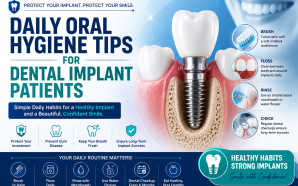
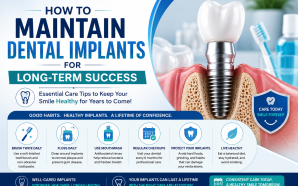
How to Care for Dental Implants
Proper maintenance includes:
- Brushing twice daily
- Flossing regularly
- Professional cleanings
- Avoiding tobacco products
- Wearing a nightguard if recommended
Implants require care similar to natural teeth.
Conclusion
So, why do people choose dental implants?
The answer is simple: dental implants offer a permanent, natural-looking, and highly functional solution for missing teeth. They improve appearance, restore chewing ability, preserve jawbone health, and provide long-term value that many other tooth replacement options cannot match.
For patients seeking a durable and confident smile restoration, dental implants remain one of the most effective treatments available in modern dentistry.