Teeth whitening is one of the most popular cosmetic dental treatments available today. Whether you’re preparing for a special event, enhancing your smile, or simply boosting your confidence, professional teeth whitening can dramatically improve the appearance of your teeth.
One of the most common questions patients ask is, “How long does teeth whitening last?” The answer depends on several factors, including the whitening method used, lifestyle habits, oral hygiene, and dietary choices.
In this guide, we’ll explore how long teeth whitening results typically last, what affects their longevity, and how you can maintain a brighter smile for as long as possible.
How Long Does Teeth Whitening Last?
Quick Answer
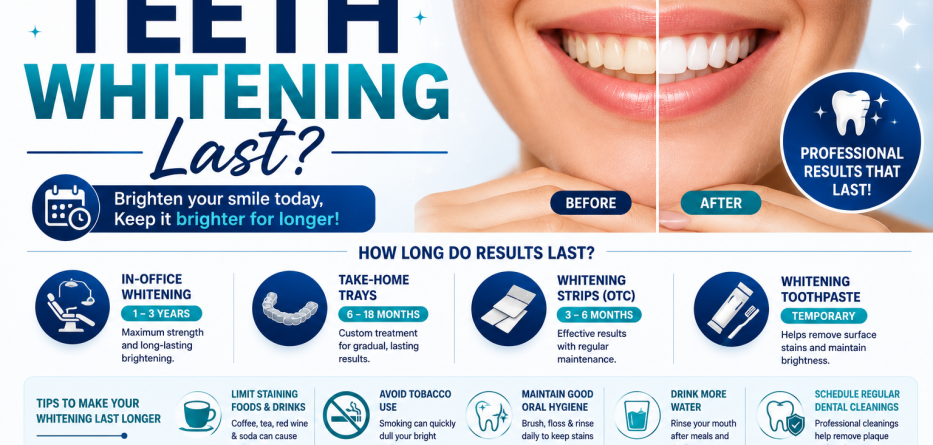
Professional teeth whitening results typically last between 6 months and 3 years, depending on your oral care routine and lifestyle habits.
Here’s a general breakdown:
| Whitening Method | Average Duration |
|---|---|
| In-Office Professional Whitening | 1–3 Years |
| Dentist-Supervised Take-Home Kits | 6–18 Months |
| Over-the-Counter Whitening Strips | 3–6 Months |
| Whitening Toothpaste | Temporary Maintenance |
Patients who avoid staining foods and maintain excellent oral hygiene often enjoy longer-lasting results.
What Causes Teeth to Become Discolored Again?
Even after successful whitening treatment, teeth can gradually become stained over time.
Common causes include:
- Coffee
- Tea
- Red wine
- Tobacco products
- Dark-colored sodas
- Certain medications
- Natural aging
- Poor oral hygiene
The more frequently these factors are present, the faster whitening results may fade.
Types of Teeth Whitening and Their Longevity
Professional In-Office Whitening
Professional whitening performed by a dentist delivers the most dramatic and longest-lasting results.
Benefits include:
- Stronger whitening agents
- Immediate results
- Professional supervision
- Customized treatment
Average longevity:
1–3 years
Take-Home Whitening Trays
Dentists may provide customized whitening trays for home use.
Benefits include:
- Convenient treatment
- Controlled whitening process
- Better results than store-bought products
Average longevity:
6–18 months
Whitening Strips and OTC Products
Over-the-counter whitening products can improve tooth color but often provide more modest results.
Average longevity:
3–6 months
Whitening Toothpaste
Whitening toothpaste primarily removes surface stains rather than changing the underlying tooth color.
Average longevity:
- Temporary improvement
- Best used for maintenance
Factors That Affect How Long Teeth Whitening Lasts
1. Diet and Beverage Choices
Certain foods and drinks are highly pigmented and can stain teeth.
Common staining foods include:
- Coffee
- Tea
- Red wine
- Berries
- Curry
- Tomato-based sauces
Using a straw for dark beverages may help reduce staining.
2. Smoking and Tobacco Use
Tobacco is one of the leading causes of tooth discoloration.
Smoking can:
- Cause yellow stains
- Accelerate whitening fade
- Increase plaque buildup
Patients who quit smoking often maintain whitening results much longer.
3. Oral Hygiene Habits
Good oral hygiene significantly impacts whitening longevity.
Recommended habits include:
- Brushing twice daily
- Flossing daily
- Using dentist-approved toothpaste
- Attending routine dental cleanings
Healthy teeth remain brighter for longer periods.
4. Natural Tooth Structure
Some people naturally have the following:
- Thicker enamel
- More stain-resistant teeth
- Better color retention
Others may experience quicker discoloration due to genetics and enamel characteristics.
5. Age
As we age, enamel gradually becomes thinner.
This allows the darker dentin layer underneath to become more visible.
As a result:
- Whitening may be less dramatic
- Stains may return faster
How to Make Teeth Whitening Last Longer
Maintain Excellent Oral Hygiene
Daily oral care is essential.
Recommended routine:
- Brush twice daily.
- Floss every day.
- Use fluoride toothpaste.
- Schedule professional cleanings.
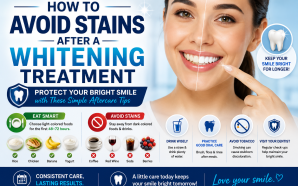
Limit Staining Foods and Drinks
Reducing exposure to stain-causing substances helps preserve whitening results.
Try to limit:
- Coffee
- Tea
- Red wine
- Cola
- Tobacco
If consumed, rinse your mouth with water afterward.
Use Touch-Up Treatments
Many dentists recommend occasional touch-up whitening treatments.
Touch-ups can
- Refresh results
- Prevent deep staining
- Extend whitening longevity
Drink More Water
Water helps wash away pigments and food particles before they can stain enamel.
It’s one of the easiest ways to protect your smile.
Schedule Regular Dental Cleanings
Professional cleanings remove:
- Surface stains
- Plaque
- Tartar
Routine visits help maintain a brighter appearance.
Professional Whitening vs Over-the-Counter Whitening
| Feature | Professional Whitening | OTC Products |
|---|---|---|
| Whitening Strength | High | Moderate |
| Speed of Results | Immediate | Gradual |
| Longevity | 1–3 Years | 3–6 Months |
| Customization | Yes | No |
| Safety Monitoring | Yes | No |
Professional whitening generally provides superior and longer-lasting outcomes.
Signs It’s Time for Another Whitening Treatment
You may benefit from a touch-up if:
- Teeth appear yellow again
- Surface stains become visible
- Whitening effects fade noticeably
- You regularly consume staining foods and beverages
A dentist can determine whether a full treatment or touch-up is appropriate.
Is Teeth Whitening Permanent?
No.
Teeth whitening is not a permanent procedure.
The whitening process removes stains and lightens tooth color, but teeth are continually exposed to substances that can cause discoloration.
However, proper maintenance can significantly extend results.
Frequently Asked Questions
Can teeth whitening last forever?
No. Teeth whitening is temporary, but professional results can last several years with proper care.
How often can I whiten my teeth?
Most dentists recommend touch-up treatments every 6 to 12 months, depending on individual needs.
Does professional whitening last longer than whitening strips?
Yes. Professional whitening generally lasts significantly longer than over-the-counter products.
Can coffee ruin teeth whitening?
Frequent coffee consumption can contribute to staining and shorten whitening longevity.
Does whitening damage enamel?
When performed correctly and under professional supervision, teeth whitening is generally considered safe and does not damage healthy enamel.
What is the longest-lasting whitening option?
Professional in-office whitening combined with proper maintenance typically provides the longest-lasting results.
Conclusion
So, how long does teeth whitening last?
For most patients, professional teeth whitening results can last anywhere from 6 months to 3 years, depending on lifestyle habits, oral hygiene, and maintenance. While whitening isn’t permanent, proper care can help preserve a bright, confident smile for years.
By limiting stain-causing foods and beverages, practicing excellent oral hygiene, attending regular dental visits, and using touch-up treatments when needed, you can maximize the lifespan of your teeth whitening results and enjoy a healthier, more radiant smile.