
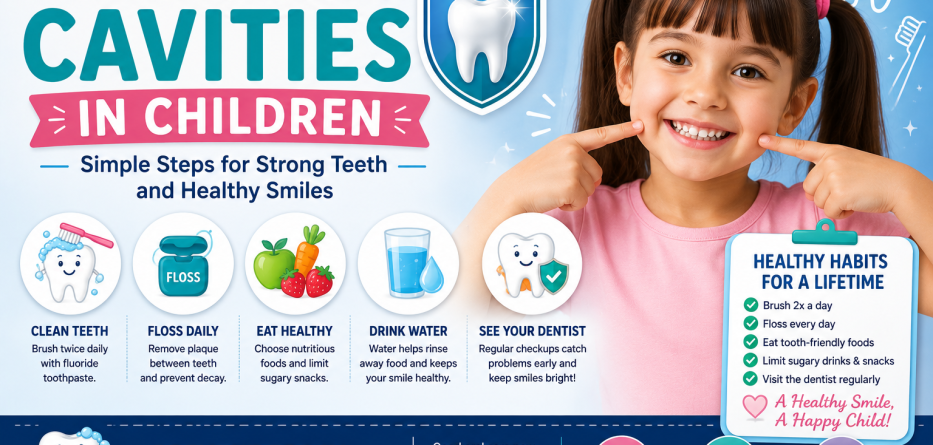
Cavities are one of the most common chronic childhood health conditions worldwide. Even though tooth decay is largely preventable, millions of children develop cavities every year due to poor oral hygiene, sugary diets, and inadequate dental care.
Healthy baby teeth play a crucial role in a child’s development. They help with chewing, speech, proper jaw growth, and guiding permanent teeth into their correct positions. When cavities develop, they can cause pain, infections, difficulty eating, and even impact a child’s overall health and confidence.
The good news is that parents can significantly reduce the risk of cavities by establishing good oral hygiene habits early. In this guide, we’ll explore what causes cavities in children, how to prevent them, and the best practices for maintaining a healthy smile.
What Are Cavities?
Cavities, also known as dental caries or tooth decay, are permanently damaged areas of the tooth caused by bacteria.
When bacteria in the mouth feed on sugars and carbohydrates, they produce acids that gradually wear away tooth enamel.
Over time, this process creates small holes or cavities in the teeth.
Quick Definition
A cavity is a hole in a tooth caused by bacterial acids that damage tooth enamel and underlying tooth structures.
Why Are Children More Prone to Cavities?
Children face several unique risk factors.
Common Reasons Include the Following:
- Frequent snacking
- Sugary foods and drinks
- Incomplete brushing
- Developing oral hygiene habits
- Weaker enamel in newly erupted teeth
- Sleeping with bottles containing milk or juice
Without proper care, these habits can significantly increase the risk of tooth decay.
What Causes Cavities in Children?
1. Poor Oral Hygiene
When plaque is not removed through brushing and flossing, bacteria accumulate on the teeth.
This leads to:
- Acid production
- Enamel erosion
- Tooth decay
2. Sugary Foods and Drinks
Frequent consumption of sugary items increases cavity risk.
Common culprits include the following:
- Candy
- Chocolate
- Cookies
- Soft drinks
- Sports drinks
- Fruit juices
- Sweetened milk
The more often sugar is consumed, the more opportunities bacteria have to produce harmful acids.
3. Frequent Snacking
Constant snacking prevents saliva from neutralizing acids effectively.
Healthy snack choices are important for protecting children’s teeth.
4. Poor Fluoride Exposure
Fluoride helps strengthen enamel and makes teeth more resistant to decay.
Insufficient fluoride may increase cavity risk.
5. Nighttime Bottle Feeding
Allowing children to sleep with bottles containing milk, juice, or sweetened beverages can lead to “baby bottle tooth decay.”
Sugars remain on the teeth for extended periods during sleep.
Signs of Cavities in Children
Early detection is important.
Watch for symptoms such as:
- White spots on teeth
- Brown or black discoloration
- Tooth sensitivity
- Pain when eating
- Visible holes in teeth
- Bad breath
- Swollen gums
Regular dental checkups help identify problems before they worsen.
How to Prevent Cavities in Children
Start Oral Care Early
Oral hygiene should begin before the first tooth appears.
Parents can:
- Clean gums with a soft cloth
- Begin brushing as soon as the first tooth erupts
- Use age-appropriate toothbrushes
Early habits create a strong foundation for lifelong oral health.
Brush Teeth Twice Daily
Children should brush their teeth:
- Every morning
- Before bedtime
Use fluoride toothpaste according to age recommendations.
Brushing Guidelines
| Age | Fluoride Toothpaste Amount |
|---|---|
| Under 3 Years | Rice-sized smear |
| 3–6 Years | Pea-sized amount |
| 6+ Years | Standard amount |
Parents should supervise brushing until children develop proper technique.
Floss Daily
Flossing becomes necessary once teeth begin touching each other.
Flossing helps remove plaque and food particles from areas a toothbrush cannot reach.
Encourage Healthy Eating Habits
A balanced diet supports stronger teeth.
Tooth-Friendly Foods
- Cheese
- Yogurt
- Milk
- Apples
- Carrots
- Cucumbers
- Leafy greens
- Nuts (age appropriate)
These foods help strengthen teeth and stimulate saliva production.
Limit Sugary Foods and Drinks
Reducing sugar intake is one of the most effective ways to prevent cavities.
Try to limit:
- Candy
- Soda
- Juice
- Sweet snacks
- Sticky foods
Offer water as the primary beverage whenever possible.
Make Water the Drink of Choice
Water helps:
- Rinse away food particles
- Reduce acid levels
- Promote saliva production
- Strengthen teeth when fluoridated
Encouraging water consumption throughout the day supports oral health.
The Importance of Fluoride
Fluoride is one of the most effective tools for cavity prevention.
Benefits of Fluoride
- Strengthens enamel
- Repairs early tooth damage
- Reduces cavity risk
- Protects developing teeth
Dentists may recommend fluoride treatments for children at increased risk of decay.
Dental Sealants: Extra Protection for Children’s Teeth
Dental sealants are thin protective coatings applied to the chewing surfaces of molars.
Benefits of Sealants
- Block food particles
- Prevent bacteria buildup
- Reduce cavity risk
- Provide long-term protection
Sealants are particularly beneficial for school-aged children.
Why Regular Dental Visits Matter
Routine dental checkups allow dentists to:
- Detect cavities early
- Apply preventive treatments
- Monitor oral development
- Provide oral hygiene education
Recommended Schedule
Children should generally visit the dentist every six months.
Early visits help establish a positive relationship with dental care.
Creating Healthy Oral Habits at Home
Parents play a major role in cavity prevention.
Helpful Strategies
- Brush together as a family
- Use fun toothbrushes
- Create reward charts
- Set daily brushing routines
- Teach proper brushing techniques
Making oral care enjoyable encourages consistency.
Common Mistakes Parents Should Avoid
Skipping Baby Teeth Care
Baby teeth are important and should never be ignored.
Allowing Constant Snacking
Frequent snacking increases acid exposure.
Delaying Dental Visits
Early preventive care is always easier than treating cavities later.
Overlooking Flossing
Many cavities develop between teeth where toothbrushes cannot reach.
Long-Term Benefits of Preventing Cavities
Protecting children’s teeth offers numerous advantages.
Benefits Include
- Reduced dental pain
- Lower treatment costs
- Better nutrition
- Improved speech development
- Increased confidence
- Healthier permanent teeth
Preventive care supports both oral and overall health.
Frequently Asked Questions
At what age should children start brushing their teeth?
Parents should begin cleaning a child’s mouth from infancy and start brushing when the first tooth appears.
How often should children brush their teeth?
Children should brush twice daily, ideally in the morning and before bed.
Is fluoride safe for children?
Yes. When used appropriately, fluoride is safe and highly effective for preventing cavities.
What foods help prevent cavities?
Dairy products, fruits, vegetables, and water can help support healthy teeth.
When should a child first visit the dentist?
Most dental organizations recommend a first dental visit by age one or within six months of the first tooth erupting.
Are baby teeth important if they eventually fall out?
Yes. Baby teeth support speech development, chewing, and proper alignment of permanent teeth.
Conclusion
Preventing cavities in children starts with establishing healthy habits early. Regular brushing, daily flossing, fluoride use, healthy nutrition, and routine dental visits can significantly reduce the risk of tooth decay.
By teaching children the importance of oral hygiene and making dental care a positive experience, parents can help ensure strong, healthy smiles that last a lifetime. Investing in preventive care today can save children from discomfort, costly treatments, and long-term oral health problems in the future.
