Gum disease is one of the most common oral health problems worldwide, affecting millions of people each year. Despite its prevalence, many individuals are unaware they have gum disease until symptoms become severe. Left untreated, gum disease can lead to tooth loss, bone damage, and even impact overall health.
The good news is that gum disease is largely preventable and, in its early stages, often reversible. Understanding the causes, warning signs, and treatment options can help protect your smile and maintain long-term oral health.
In this guide, we’ll explain what gum disease is, its stages, symptoms, risk factors, and the most effective treatment methods available today.
What Is Gum Disease?
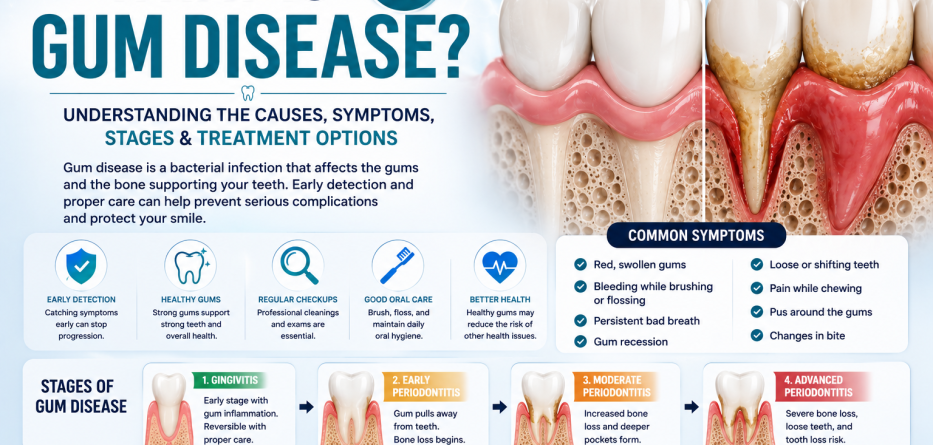
Gum disease, also known as periodontal disease, is an infection and inflammation of the tissues that support and surround the teeth.
It develops when plaque—a sticky film of bacteria—builds up along the gumline and is not removed through proper brushing and flossing.
Quick Definition
Gum disease is a bacterial infection of the gums that can damage soft tissue and bone supporting the teeth, potentially leading to tooth loss if left untreated.
How Does Gum Disease Develop?
The process usually begins with plaque accumulation.
Step 1: Plaque Formation
Bacteria combine with food particles and saliva to form plaque on teeth.
Step 2: Tartar Buildup
If plaque is not removed, it hardens into tartar (calculus), which cannot be removed by brushing alone.
Step 3: Gum Irritation
The bacteria release toxins that irritate and inflame the gums.
Step 4: Progression of Disease
Without treatment, the infection spreads deeper into the gum tissue and supporting bone.
Types of Gum Disease
Gingivitis
Gingivitis is the earliest stage of gum disease.
Common signs include:
- Red gums
- Swollen gums
- Bleeding while brushing or flossing
- Mild discomfort
The good news is that gingivitis is usually reversible with professional dental care and improved oral hygiene.
Periodontitis
When gingivitis is left untreated, it can progress to periodontitis.
At this stage:
- Gum tissue pulls away from teeth
- Deep pockets form
- Bone loss begins
- Teeth may loosen
Periodontitis requires professional treatment and ongoing management.
Common Symptoms of Gum Disease
Many people experience no pain during the early stages.
Watch for these warning signs:
- Bleeding gums
- Red or swollen gums
- Persistent bad breath
- Gum recession
- Loose teeth
- Pain while chewing
- Sensitive teeth
- Changes in bite alignment
- Pus around the gums
Early diagnosis can prevent serious complications.
What Causes Gum Disease?
Several factors contribute to gum disease.
Poor Oral Hygiene
The most common cause is inadequate brushing and flossing.
Smoking and Tobacco Use
Smoking weakens the immune system and significantly increases the risk of gum disease.
Hormonal Changes
Hormonal fluctuations during:
- Pregnancy
- Puberty
- Menopause
can increase gum sensitivity.
Medical Conditions
Certain health conditions increase susceptibility, including:
- Diabetes
- Autoimmune disorders
- Heart disease
Genetics
Some individuals may be genetically predisposed to periodontal disease.
Certain Medications
Some medications reduce saliva production, increasing bacterial growth.
Risk Factors for Gum Disease
You may have a higher risk if you:
- Smoke
- Have diabetes
- Have poor oral hygiene habits
- Experience chronic stress
- Have a family history of periodontal disease
- Eat a poor diet
- Skip regular dental visits
Understanding risk factors helps support prevention efforts.
Stages of Gum Disease
Stage 1: Gingivitis
- Mild inflammation
- Bleeding gums
- No bone loss
Stage 2: Early Periodontitis
- Formation of periodontal pockets
- Mild bone loss
Stage 3: Moderate Periodontitis
- Increased pocket depth
- Greater bone destruction
- Gum recession
Stage 4: Advanced Periodontitis
- Significant bone loss
- Loose teeth
- Tooth loss risk
Early intervention provides the best outcomes.
How Gum Disease Affects Overall Health
Research suggests that oral health and overall health are closely connected.
Untreated gum disease has been associated with:
- Heart disease
- Stroke
- Diabetes complications
- Respiratory infections
- Pregnancy complications
While more research continues, maintaining healthy gums may contribute to better overall health.
How Dentists Diagnose Gum Disease
A dentist or periodontist may use several methods:
Periodontal Examination
Measures the depth of gum pockets around each tooth.
Dental X-Rays
Detects bone loss beneath the gumline.
Visual Assessment
Evaluates gum color, swelling, and recession.
Early diagnosis improves treatment success.
Treatment Options for Gum Disease
Treatment depends on the severity of the condition.
Professional Dental Cleaning
Suitable for mild gingivitis.
Removes:
- Plaque
- Tartar
- Surface bacteria
Scaling and Root Planing
A deep cleaning procedure that removes bacteria below the gumline.
Benefits include:
- Reduced inflammation
- Smaller gum pockets
- Improved healing
Antibiotic Therapy
May be used to control bacterial infection.
Periodontal Surgery
Advanced cases may require:
- Flap surgery
- Bone grafting
- Soft tissue grafting
These procedures help restore damaged tissues.
Can Gum Disease Be Reversed?
Gingivitis
Yes.
Early-stage gingivitis can usually be reversed through:
- Professional cleaning
- Daily brushing
- Daily flossing
- Improved oral hygiene habits
Periodontitis
No.
Periodontitis cannot be completely reversed, but it can be effectively managed to prevent further damage.
How to Prevent Gum Disease
Prevention is the most effective strategy.
Daily Prevention Tips
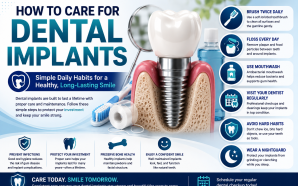
- Brush twice daily
- Floss every day
- Use an antibacterial mouthwash
- Avoid smoking
- Eat a balanced diet
- Schedule regular dental checkups
Consistency is key to maintaining healthy gums.
Frequently Asked Questions
Is gum disease contagious?
The bacteria associated with gum disease can be transmitted through saliva, but the disease itself is influenced by multiple factors.
Can gum disease cause tooth loss?
Yes. Advanced gum disease is one of the leading causes of adult tooth loss.
Does gum disease hurt?
Early stages are often painless, which is why regular dental checkups are important.
How common is gum disease?
It is one of the most common dental conditions affecting adults worldwide.
Can gum disease affect dental implants?
Yes. Gum infections around implants, known as peri-implantitis, can threaten implant stability.
How often should I visit the dentist?
Most patients benefit from dental checkups and cleanings every six months.
Conclusion
Gum disease is a common but serious oral health condition that can affect the gums, teeth, and supporting bone structures. While early-stage gingivitis is often reversible, untreated gum disease can progress to periodontitis, leading to tooth loss and long-term oral health complications.
Recognizing the symptoms early, practicing excellent oral hygiene, and attending regular dental checkups are the best ways to prevent and manage gum disease. By taking proactive steps today, you can protect your smile and maintain healthy gums for years to come.