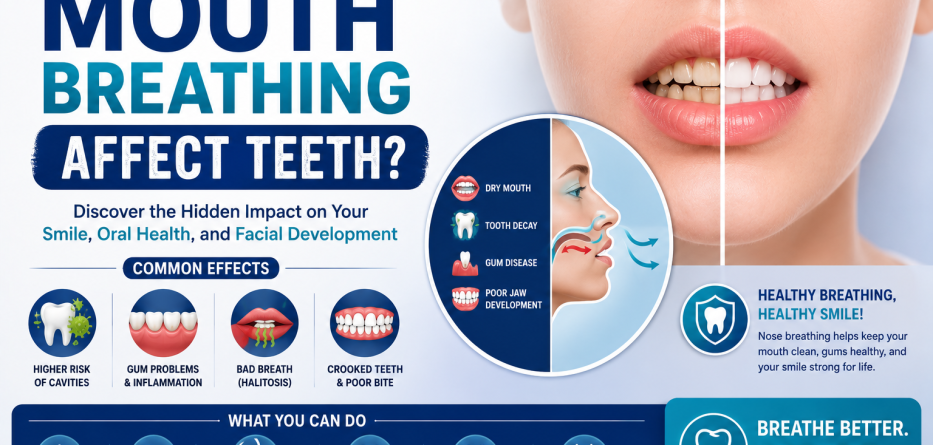
Breathing is something we do automatically every day, but the way we breathe can significantly impact our oral health. While breathing through the nose is the body’s natural and healthiest method, many people regularly breathe through their mouths without realizing the potential consequences.
Mouth breathing may seem harmless, but over time it can contribute to dry mouth, tooth decay, gum disease, bad breath, and even changes in facial and dental development. Children and adults who breathe through their mouths often experience oral health problems that can affect both function and appearance.
In this article, we’ll explore how mouth breathing affects teeth, the causes of mouth breathing, warning signs to watch for, and treatment options to protect your oral health.
What Is Mouth Breathing?
Mouth breathing occurs when a person primarily breathes through their mouth instead of their nose.
Although occasional mouth breathing is normal during exercise or illness, chronic mouth breathing can create long-term oral and health complications.
Common Causes of Mouth Breathing
- Nasal congestion
- Allergies
- Enlarged adenoids
- Deviated nasal septum
- Chronic sinus infections
- Sleep apnea
- Structural airway issues
When airflow bypasses the nose, it can disrupt the natural balance within the mouth.
Why Is Nose Breathing Important?
The nose performs several essential functions:
- Filters dust and bacteria
- Humidifies incoming air
- Regulates airflow
- Produces nitric oxide that supports respiratory health
When breathing shifts to the mouth, these protective mechanisms are reduced.
This can negatively affect both oral and overall health.
How Does Mouth Breathing Affect Teeth?
1. Causes Dry Mouth
One of the most common consequences of mouth breathing is dry mouth (xerostomia).
Saliva plays a crucial role in the following:
- Neutralizing acids
- Washing away food particles
- Controlling bacteria
- Protecting tooth enamel
When the mouth becomes dry, harmful bacteria can multiply more easily.
Effects of Dry Mouth
- Increased plaque buildup
- Higher cavity risk
- Gum irritation
- Tooth sensitivity
2. Increases the Risk of Tooth Decay
Saliva acts as the mouth’s natural defense system.
When saliva production is reduced due to mouth breathing, acids and bacteria remain on the teeth longer.
This can lead to:
- Enamel erosion
- Cavities
- White spot lesions
- Increased tooth sensitivity
Research has shown that chronic mouth breathers often experience higher rates of dental caries than nasal breathers.
3. Contributes to Gum Disease
Dry oral tissues create an environment where bacteria thrive.
As plaque accumulates near the gumline, inflammation may develop.
Potential Gum Problems
- Gingivitis
- Gum bleeding
- Swollen gums
- Periodontitis
Without treatment, advanced gum disease can lead to tooth loss.
4. Causes Bad Breath
Persistent bad breath, also known as halitosis, is a common symptom of mouth breathing.
When saliva levels decrease:
- Bacteria multiply rapidly
- Food particles remain trapped
- Odor-producing compounds increase
Many chronic mouth breathers struggle with bad breath despite brushing regularly.
5. Can Affect Tooth Alignment
Mouth breathing is particularly concerning during childhood because it can influence facial and dental development.
Children who breathe through their mouths may develop the following:
- Crooked teeth
- Narrow dental arches
- Crowded teeth
- Open bite
- Overbite
These issues often require orthodontic treatment later in life.
6. Alters Jaw and Facial Development
Long-term mouth breathing can affect how facial bones grow during childhood.
This condition is sometimes referred to as “long face syndrome.”
Potential changes include:
- Elongated facial appearance
- Recessed chin
- Narrow upper jaw
- Poor jaw alignment
Early intervention can help prevent these developmental issues.
Signs That Mouth Breathing May Be Affecting Your Oral Health
Watch for these common symptoms:
Dental Symptoms
- Frequent cavities
- Dry mouth
- Tooth sensitivity
- Gum inflammation
- Bad breath
Physical Symptoms
- Sleeping with an open mouth
- Snoring
- Daytime fatigue
- Chapped lips
- Frequent thirst
These signs may indicate chronic mouth breathing that requires evaluation.
How Mouth Breathing Affects Children
Children are particularly vulnerable to the effects of mouth breathing.
Potential Problems
- Delayed facial development
- Orthodontic issues
- Speech difficulties
- Sleep disturbances
- Reduced academic performance due to poor sleep quality
Parents should seek professional evaluation if they notice persistent mouth breathing in a child.
How Mouth Breathing Affects Sleep
Many people breathe through their mouths while sleeping.
This can contribute to:
- Snoring
- Poor sleep quality
- Sleep apnea
- Dry mouth upon waking
Sleep-related breathing disorders may have significant effects on overall health and should not be ignored.
Can Mouth Breathing Damage Dental Work?
Yes.
Mouth breathing may increase the risk of complications affecting the following:
- Dental fillings
- Crowns
- Veneers
- Orthodontic appliances
- Dental implants
The increased bacterial activity associated with dry mouth can compromise surrounding tissues and restorations.
How Is Mouth Breathing Diagnosed?
Diagnosis may involve several healthcare professionals.
Evaluation May Include
- Dental examination
- Airway assessment
- Sleep evaluation
- ENT (ear, nose, and throat) consultation
- Orthodontic assessment
Identifying the underlying cause is essential for successful treatment.
How to Treat Mouth Breathing
Treatment depends on the cause.
Common Treatment Options
Address Nasal Obstruction
Treatment may include:
- Allergy management
- Nasal sprays
- Septum correction
- Sinus treatment
Orthodontic Treatment
Correcting jaw alignment and dental crowding may improve airflow.
Myofunctional Therapy
Exercises help strengthen oral and facial muscles to encourage proper breathing patterns.
Sleep Apnea Treatment
Managing sleep apnea can significantly reduce nighttime mouth breathing.
Tips to Protect Your Teeth If You Mouth Breathe
While treating the underlying cause is important, these strategies can help protect oral health:
Daily Prevention Tips
- Stay hydrated throughout the day.
- Use fluoride toothpaste.
- Consider alcohol-free mouthwash.
- Chew sugar-free gum to stimulate saliva.
- Visit your dentist regularly.
- Address airway issues promptly.
These habits can reduce the risk of complications associated with dry mouth.
Frequently Asked Questions
Can mouth breathing cause cavities?
Yes. Reduced saliva increases bacterial growth and acid exposure, raising cavity risk.
Is mouth breathing bad for adults?
Yes. Adults can experience dry mouth, gum disease, tooth decay, and sleep-related issues.
Can mouth breathing change facial structure?
Long-term mouth breathing during childhood can influence facial growth and jaw development.
How can I tell if I breathe through my mouth while sleeping?
Common signs include waking with a dry mouth, snoring, chapped lips, and morning bad breath.
Can dentists identify mouth breathing?
Yes. Dentists often recognize oral signs such as dry tissues, gum inflammation, and specific bite patterns.
Conclusion
Mouth breathing is more than just a habit—it can have significant effects on your teeth, gums, jaw development, and overall oral health. Chronic mouth breathing increases the risk of dry mouth, cavities, gum disease, bad breath, and orthodontic problems, especially in children.
Recognizing the symptoms early and addressing the underlying causes can help prevent long-term complications. If you suspect that mouth breathing is affecting your oral health, consult your dentist or healthcare provider for a thorough evaluation and personalized treatment recommendations.
A healthy smile starts with healthy breathing habits.