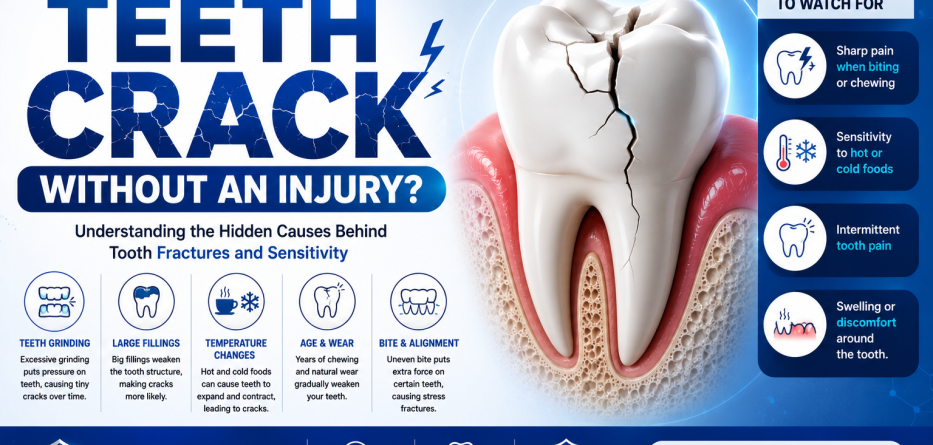
Many people assume that a cracked tooth only happens after a fall, sports injury, or direct trauma to the mouth. However, teeth can crack even when there has been no obvious injury. In fact, many dental patients are surprised to discover a crack in their tooth after experiencing sudden pain while eating or drinking.
A cracked tooth is more common than you might think and can occur due to everyday habits, age-related wear, or underlying dental conditions. Understanding why teeth crack without an injury can help you recognize the warning signs early and seek treatment before the damage worsens.
In this article, we’ll explore the most common causes of cracked teeth, symptoms to watch for, treatment options, and ways to protect your smile.
Can Teeth Really Crack Without an Injury?
Quick Answer
Yes. Teeth can crack without a noticeable injury due to years of wear and tear, teeth grinding, large fillings, temperature changes, weakened enamel, or excessive biting forces.
Even healthy-looking teeth can develop small fractures over time.
What Is a Cracked Tooth?
A cracked tooth is a fracture that develops in the tooth structure. Cracks can vary in size and severity.
Types of Tooth Cracks
- Craze lines (tiny surface cracks)
- Fractured cusp
- Cracked tooth
- Split tooth
- Vertical root fracture
Some cracks remain superficial, while others can extend deep into the tooth and affect the nerve.
Common Reasons Teeth Crack Without an Injury
1. Teeth Grinding (Bruxism)
One of the leading causes of tooth cracks is chronic teeth grinding.
Many people grind their teeth while sleeping without realizing it.
How It Causes Cracks
Constant grinding creates excessive pressure on teeth, leading to:
- Enamel wear
- Microfractures
- Structural weakening
- Tooth sensitivity
Over time, these small fractures can develop into larger cracks.
Signs of Bruxism
- Morning jaw pain
- Headaches
- Worn teeth
- Jaw clicking
- Tooth sensitivity
2. Aging and Natural Wear
Teeth endure thousands of chewing cycles every day.
As we age, years of pressure gradually weaken tooth structure.
Why Age Matters
People over age 50 are more likely to develop cracked teeth because
- Enamel becomes thinner
- Teeth experience cumulative stress
- Existing restorations may weaken the tooth
Age-related cracks often appear without any specific triggering event.
3. Large Fillings
Large dental fillings can weaken the remaining natural tooth structure.
When a significant portion of a tooth has been restored, less natural enamel remains to absorb chewing forces.
Risk Factors
- Multiple fillings
- Old restorations
- Large amalgam fillings
- Repeated dental work
The tooth may eventually crack under normal biting pressure.
4. Chewing Hard Foods
Certain foods can place tremendous stress on teeth.
Common culprits include the following:
- Ice cubes
- Hard candy
- Popcorn kernels
- Nuts
- Hard bread crusts
Repeated exposure to hard foods can create microscopic cracks that worsen over time.
5. Sudden Temperature Changes
Extreme temperature differences can cause teeth to expand and contract.
Examples include:
- Drinking hot coffee followed by ice water
- Eating hot soup and cold desserts
This rapid expansion and contraction may weaken enamel and contribute to crack formation.
6. Weak or Worn Enamel
Enamel protects the tooth from everyday forces.
When enamel becomes thin or damaged, the tooth becomes more vulnerable.
Causes of Enamel Erosion
- Acidic foods
- Soft drinks
- Acid reflux
- Frequent vomiting
- Poor oral hygiene
Weakened enamel increases the likelihood of cracks developing.
7. Misaligned Bite
When teeth do not meet properly, certain teeth absorb excessive pressure during chewing.
This uneven force distribution can gradually create cracks.
Symptoms of Bite Problems
- Uneven tooth wear
- Jaw discomfort
- Frequent tooth sensitivity
- Recurrent dental fractures
A dentist can evaluate bite alignment and recommend corrective treatment.
8. Previous Root Canal Treatment
Root canal-treated teeth no longer contain living nerve tissue.
Although treatment preserves the tooth, it may become more brittle over time.
Why Cracks Occur
- Reduced moisture content
- Structural weakening
- Heavy chewing forces
Many root canal-treated teeth benefit from crowns to improve protection.
Signs and Symptoms of a Cracked Tooth
Cracked teeth can be difficult to diagnose because symptoms often come and go.
Common Warning Signs
- Sharp pain when biting
- Pain when releasing bite pressure
- Sensitivity to hot or cold foods
- Intermittent discomfort
- Swelling around the affected tooth
Some cracks remain symptom-free until they become more severe.
What Happens If a Cracked Tooth Is Left Untreated?
Ignoring a cracked tooth can lead to serious complications.
Potential Consequences
- Increased pain
- Infection
- Nerve damage
- Tooth fracture
- Tooth loss
Early treatment significantly improves the chances of saving the tooth.
How Dentists Diagnose Cracked Teeth
Diagnosis often involves several techniques.
Common Methods
- Visual examination
- Bite tests
- Dental X-rays
- Magnification tools
- Special dye staining
Because some cracks are extremely small, diagnosis may require careful evaluation.
Treatment Options for Cracked Teeth
The best treatment depends on the severity and location of the crack.
Dental Bonding
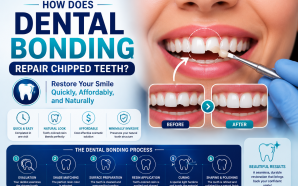
Used for minor surface cracks.
Dental Crowns
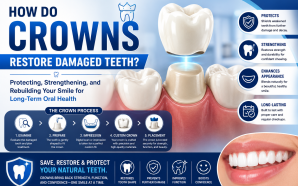
Protect and strengthen moderately cracked teeth.
Root Canal Therapy
Required when the crack reaches the pulp or nerve.
Tooth Extraction
May be necessary if the crack extends too deeply into the root.
Prompt treatment helps preserve natural tooth structure whenever possible.
How to Prevent Teeth from Cracking
Although not all cracks can be prevented, several strategies reduce risk.
Prevention Tips
- Wear a nightguard if you grind your teeth.
- Avoid chewing ice and hard objects.
- Maintain regular dental checkups.
- Treat bite problems early.
- Protect teeth during sports with a mouthguard.
- Address enamel erosion promptly.
Preventive care is often simpler and less expensive than repairing a cracked tooth.
Frequently Asked Questions
Can a tooth crack on its own?
Yes. Teeth can crack without an obvious injury due to grinding, aging, large fillings, or everyday chewing forces.
Is a cracked tooth an emergency?
Not always, but it should be evaluated promptly to prevent further damage or infection.
Can a cracked tooth heal naturally?
No. Unlike bone, tooth enamel cannot regenerate. Professional treatment is usually necessary.
What does a cracked tooth feel like?
Many people experience sharp pain while chewing or sensitivity to hot and cold temperatures.
Can stress cause teeth to crack?
Indirectly, yes. Stress often contributes to teeth grinding, which increases the risk of cracks.
Conclusion
While many people associate cracked teeth with accidents and injuries, teeth can crack without any obvious trauma. Everyday habits such as grinding, chewing hard foods, age-related wear, weakened enamel, and large fillings can all contribute to tooth fractures over time.
Recognizing the warning signs early and seeking prompt dental care can prevent more serious complications and help preserve your natural teeth. If you experience unexplained tooth pain, sensitivity, or discomfort while chewing, a professional dental evaluation can identify potential cracks before they become major problems.