
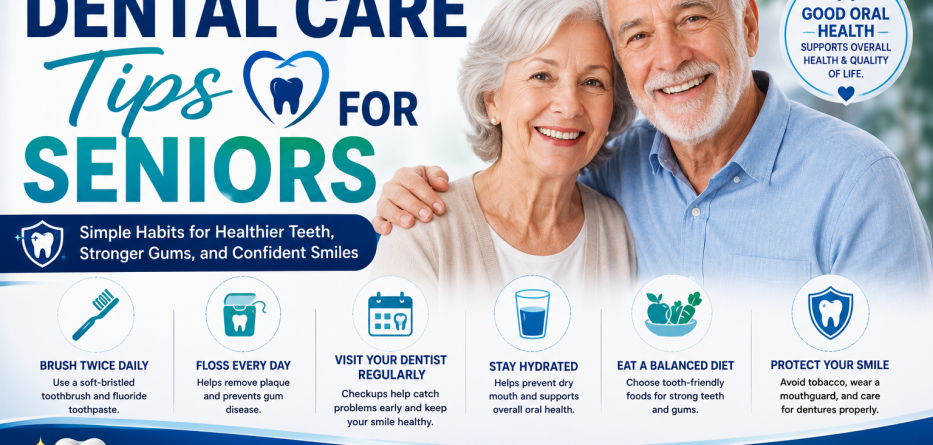
As we age, our oral health needs change. Seniors are more likely to experience dental issues such as gum disease, tooth loss, dry mouth, root decay, and worn dental restorations. However, with proper care and regular dental visits, older adults can maintain healthy teeth and gums for many years.
Good oral health is about more than just having a beautiful smile. It plays a vital role in overall health, nutrition, speech, confidence, and quality of life. Poor oral health has even been linked to conditions such as heart disease, diabetes, and respiratory infections.
In this guide, we’ll share the best dental care tips for seniors to help protect oral health and keep smiles strong and healthy throughout the golden years.
Why Dental Care Is Important for Seniors
Aging naturally increases the risk of certain oral health problems.
Common concerns include:
- Tooth decay
- Gum disease
- Dry mouth
- Tooth sensitivity
- Tooth loss
- Oral infections
- Denture-related issues
Maintaining proper dental care helps prevent these problems and supports overall well-being.
1. Brush Twice Daily with Fluoride Toothpaste
Brushing remains the foundation of good oral hygiene.
Best Practices
- Brush for at least two minutes.
- Use a soft-bristled toothbrush.
- Choose fluoride toothpaste.
- Replace your toothbrush every 3–4 months.
Electric toothbrushes can be especially helpful for seniors with arthritis or limited hand mobility.
Benefits
- Removes plaque
- Prevents cavities
- Reduces gum disease risk
- Freshens breath
2. Floss Every Day
Flossing removes food particles and plaque from areas your toothbrush cannot reach.
Options for Easier Flossing
- Water flossers
- Floss picks
- Interdental brushes
Daily flossing helps prevent:
- Gum disease
- Tooth decay
- Bad breath
Healthy gums are essential for keeping natural teeth and dental implants stable.
3. Schedule Regular Dental Checkups
Many dental problems develop without noticeable symptoms.
Routine dental visits allow early detection of the following:
- Cavities
- Gum disease
- Oral cancer
- Denture issues
- Tooth wear
Recommended Frequency
Most seniors should visit their dentist every six months, although some may benefit from more frequent visits.
4. Watch for Signs of Gum Disease
Gum disease is one of the leading causes of tooth loss among older adults.
Common Symptoms
- Red gums
- Swollen gums
- Bleeding while brushing
- Persistent bad breath
- Loose teeth
Early treatment can prevent severe damage and preserve natural teeth.
5. Manage Dry Mouth
Dry mouth is a common problem among seniors, often caused by medications.
Why Dry Mouth Matters
Reduced saliva can increase the risk of:
- Tooth decay
- Gum disease
- Oral infections
- Difficulty chewing and swallowing
Helpful Tips
- Drink plenty of water.
- Use sugar-free gum.
- Avoid tobacco.
- Discuss medication side effects with your doctor.
6. Protect Dental Implants, Bridges, and Crowns
Many seniors have restorative dental work that requires ongoing care.
Maintenance Tips
- Clean around restorations daily.
- Use recommended cleaning tools.
- Attend routine dental examinations.
Proper maintenance helps extend the lifespan of dental restorations.
7. Care for Dentures Properly
Dentures require daily cleaning and regular professional evaluations.
Denture Care Tips
- Remove dentures at night.
- Clean them daily.
- Soak them as recommended.
- Handle carefully to avoid breakage.
Ill-fitting dentures can cause irritation and should be adjusted promptly.
8. Eat a Tooth-Friendly Diet
Nutrition plays a major role in oral health.
Foods That Support Healthy Teeth and Gums
- Dairy products
- Leafy greens
- Lean proteins
- Fresh fruits
- Vegetables
- Nuts
Limit
- Sugary snacks
- Soft drinks
- Sticky candies
Healthy nutrition supports stronger teeth and gums.
9. Avoid Tobacco Products
Smoking and tobacco use increase the risk of:
- Gum disease
- Tooth loss
- Oral cancer
- Implant failure
- Delayed healing
Quitting tobacco is one of the best decisions for both oral and overall health.
10. Stay Hydrated
Saliva helps protect teeth by washing away food particles and neutralizing harmful acids.
Hydration Tips
- Drink water throughout the day.
- Limit sugary beverages.
- Reduce alcohol consumption.
Proper hydration helps maintain a healthier oral environment.
11. Examine Your Mouth Regularly
Self-examinations can help identify problems early.
Watch for
- Mouth sores
- White patches
- Red patches
- Swelling
- Persistent pain
Report any unusual changes to your dentist promptly.
12. Consider Oral Cancer Screenings
The risk of oral cancer increases with age.
Common Warning Signs
- Non-healing sores
- Persistent throat pain
- Difficulty swallowing
- Unexplained lumps
Regular screenings improve the chances of early detection and successful treatment.
13. Protect Your Teeth from Grinding
Teeth grinding, or bruxism, can damage natural teeth and dental restorations.
Signs of Bruxism
- Jaw pain
- Worn teeth
- Headaches
- Tooth sensitivity
A custom nightguard can help prevent damage.
14. Manage Chronic Health Conditions
Conditions such as diabetes can significantly affect oral health.
Important Health Conditions
- Diabetes
- Osteoporosis
- Heart disease
- Autoimmune disorders
Proper management often improves oral health outcomes.
15. Maintain Good Oral Hygiene with Limited Mobility
For seniors with arthritis or dexterity challenges, specialized tools can help.
Helpful Devices
- Electric toothbrushes
- Adaptive toothbrush handles
- Water flossers
- Interdental cleaners
These tools make daily oral care easier and more effective.
Common Dental Problems in Seniors
| Dental Issue | Description |
|---|---|
| Gum Disease | Infection affecting gum tissue and bone |
| Root Decay | Cavities near exposed tooth roots |
| Dry Mouth | Reduced saliva production |
| Tooth Loss | Missing teeth due to disease or injury |
| Oral Cancer | Increased risk with age |
| Denture Problems | Poor fit, irritation, or damage |
Understanding these risks helps seniors take preventive action.
Frequently Asked Questions
How often should seniors visit the dentist?
Most seniors should have dental checkups every six months, though some may require more frequent visits.
Why is dry mouth common in older adults?
Many medications and certain medical conditions reduce saliva production.
Can seniors still get cavities?
Yes. Root decay and cavities remain common among older adults.
Are dental implants suitable for seniors?
In many cases, yes. Healthy seniors can be excellent candidates for dental implants.
What foods help maintain oral health?
Dairy products, leafy greens, lean proteins, fruits, and vegetables support healthy teeth and gums.
Conclusion
Maintaining excellent oral health is an important part of healthy aging. By following these best dental care tips for seniors, older adults can reduce the risk of common dental problems, preserve their natural teeth, and enjoy greater comfort and confidence.
Simple habits such as brushing, flossing, staying hydrated, eating nutritious foods, and attending regular dental checkups can make a significant difference. With proper care and professional support, seniors can continue enjoying healthy smiles for years to come.
