
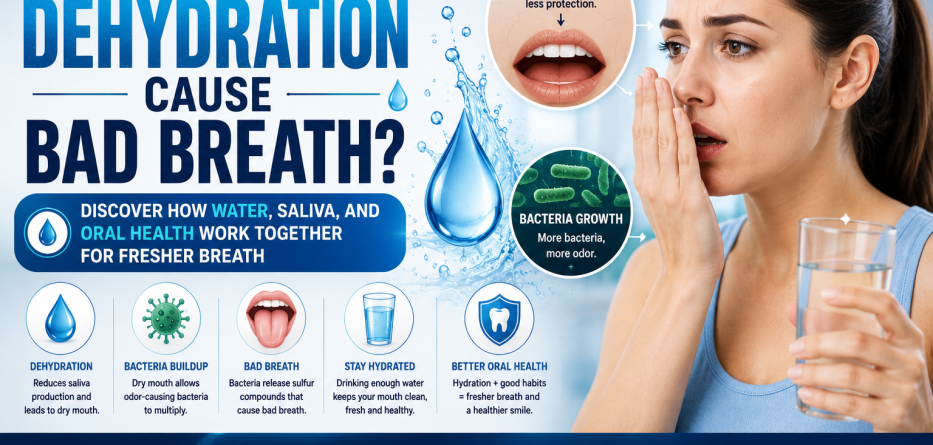
Bad breath, also known as halitosis, affects millions of people worldwide and can be both embarrassing and frustrating. While many people associate bad breath with poor oral hygiene, cavities, or gum disease, dehydration is another common and often overlooked cause.
Water plays a vital role in maintaining a healthy mouth. When the body becomes dehydrated, saliva production decreases, creating an environment where odor-causing bacteria can thrive. As a result, even individuals with good oral hygiene may experience unpleasant breath if they are not drinking enough fluids.
In this article, we’ll explore the relationship between dehydration and bad breath, explain why it happens, discuss common symptoms, and share practical tips for keeping your breath fresh and your mouth healthy.
Can Dehydration Cause Bad Breath?
Quick Answer
Yes. Dehydration can cause bad breath because it reduces saliva production. Saliva helps wash away food particles, bacteria, and dead cells in the mouth. When saliva levels drop, odor-causing bacteria multiply more easily, leading to unpleasant breath.
In many cases, increasing water intake can significantly improve breath freshness.
Why Is Saliva Important for Fresh Breath?
Saliva is one of the mouth’s natural defense systems.
Its functions include:
- Washing away food debris
- Neutralizing acids
- Controlling bacteria
- Protecting teeth and gums
- Keeping oral tissues moist
A healthy mouth produces enough saliva throughout the day to help maintain oral balance.
When saliva production decreases, harmful bacteria can build up and produce sulfur compounds that cause bad breath.
How Dehydration Leads to Bad Breath
Reduced Saliva Production
The most direct connection between dehydration and bad breath is reduced saliva flow.
When the body lacks sufficient water:
- Salivary glands produce less saliva
- The mouth becomes dry
- Bacteria accumulate more rapidly
- Food particles remain longer in the mouth
These conditions contribute to unpleasant odors.
Increased Bacterial Growth
Certain bacteria naturally live in the mouth.
When saliva levels decrease, these bacteria thrive and begin breaking down proteins found in food particles and oral tissues.
This process releases:
- Hydrogen sulfide
- Methyl mercaptan
- Volatile sulfur compounds (VSCs)
These compounds are responsible for the characteristic odor associated with bad breath.
Dry Tongue Surface
The tongue contains tiny grooves and crevices where bacteria can accumulate.
A dry mouth creates ideal conditions for bacterial growth on the tongue, especially toward the back of the tongue, where many odor-causing bacteria reside.
Common Signs of Dehydration-Related Bad Breath
Symptoms often include:
Oral Symptoms
- Dry mouth
- Sticky feeling inside the mouth
- Thick saliva
- Coated tongue
- Persistent bad breath
General Dehydration Symptoms
- Increased thirst
- Dry lips
- Headaches
- Fatigue
- Dark-colored urine
- Dizziness
Experiencing both dry mouth and bad breath may indicate inadequate hydration.
How Much Water Do You Need?
Water requirements vary depending on:
- Age
- Activity level
- Climate
- Overall health
General recommendations suggest:
| Group | Daily Water Intake |
|---|---|
| Adult Men | About 3.7 Liters |
| Adult Women | About 2.7 Liters |
People who exercise frequently or live in hot climates may require more.
Other Causes of Dry Mouth and Bad Breath
Dehydration is not the only cause of reduced saliva production.
Other potential causes include:
Medications
Many medications can cause dry mouth, including:
- Antihistamines
- Antidepressants
- Blood pressure medications
- Decongestants
Mouth Breathing
Breathing through the mouth during sleep can dry oral tissues and contribute to morning breath.
Smoking and Tobacco Use
Tobacco products reduce saliva flow and promote bacterial growth.
Medical Conditions
Certain health conditions can cause chronic dry mouth, including:
- Diabetes
- Sjögren’s syndrome
- Salivary gland disorders
Persistent symptoms should be evaluated by a healthcare professional.
How to Prevent Bad Breath Caused by Dehydration
1. Drink More Water Throughout the Day
The simplest and most effective solution is increasing water intake.
Tips include:
- Carry a reusable water bottle
- Sip water regularly
- Increase hydration during exercise
- Drink water after meals
Consistent hydration helps maintain saliva production.
2. Limit Dehydrating Beverages
Some drinks may contribute to dehydration when consumed excessively.
Examples include:
- Alcohol
- Energy drinks
- Excessive caffeine
Balancing these beverages with water is important.
3. Maintain Proper Oral Hygiene
Good oral care reduces bacterial buildup.
A daily routine should include the following:
- Brushing twice daily
- Flossing once daily
- Cleaning the tongue
- Using antimicrobial mouthwash when recommended
Oral hygiene and hydration work together to promote fresh breath.
4. Use Sugar-Free Gum
Chewing sugar-free gum stimulates saliva production.
Benefits include:
- Increased saliva flow
- Reduced dry mouth
- Better breath freshness
Products containing xylitol may offer additional oral health benefits.
5. Eat Water-Rich Foods
Many fruits and vegetables contain high water content.
Examples include:
- Watermelon
- Cucumbers
- Celery
- Oranges
- Strawberries
These foods help support hydration while providing essential nutrients.
When Should You See a Dentist?
Occasional bad breath caused by dehydration is usually easy to resolve.
However, you should schedule a dental appointment if:
- Bad breath persists despite good hydration
- Dry mouth becomes chronic
- Gum bleeding develops
- You notice loose teeth
- Mouth sores appear
Persistent bad breath may indicate:
- Gum disease
- Tooth decay
- Oral infections
- Underlying health conditions
Early diagnosis can prevent more serious problems.
The Link Between Hydration and Overall Oral Health
Adequate hydration offers benefits beyond fresh breath.
Water helps:
- Protect tooth enamel
- Support gum health
- Reduce cavity risk
- Wash away bacteria
- Promote saliva production
Maintaining proper hydration is one of the simplest ways to support long-term oral health.
Frequently Asked Questions
Can drinking water immediately improve bad breath?
Yes. Water helps rinse away bacteria and food particles while stimulating saliva production.
Why does my breath smell worse in the morning?
Saliva production naturally decreases during sleep, allowing bacteria to multiply and cause “morning breath.”
Can dehydration cause a white tongue?
Yes. Dry mouth can contribute to bacterial buildup and tongue coating, which may appear white.
How do I know if bad breath is caused by dehydration?
Signs such as dry mouth, thirst, dark urine, and improvement after drinking water suggest dehydration may be contributing.
Is dry mouth always caused by dehydration?
No. Medications, medical conditions, smoking, and mouth breathing can also reduce saliva production.
Conclusion
So, can dehydration cause bad breath?
Absolutely. Dehydration reduces saliva production, allowing odor-causing bacteria to flourish and increasing the likelihood of unpleasant breath. Fortunately, staying properly hydrated is one of the easiest and most effective ways to support fresh breath and maintain a healthy mouth.
By drinking enough water, practicing good oral hygiene, and addressing any underlying causes of dry mouth, you can significantly reduce the risk of dehydration-related bad breath and improve your overall oral health.
