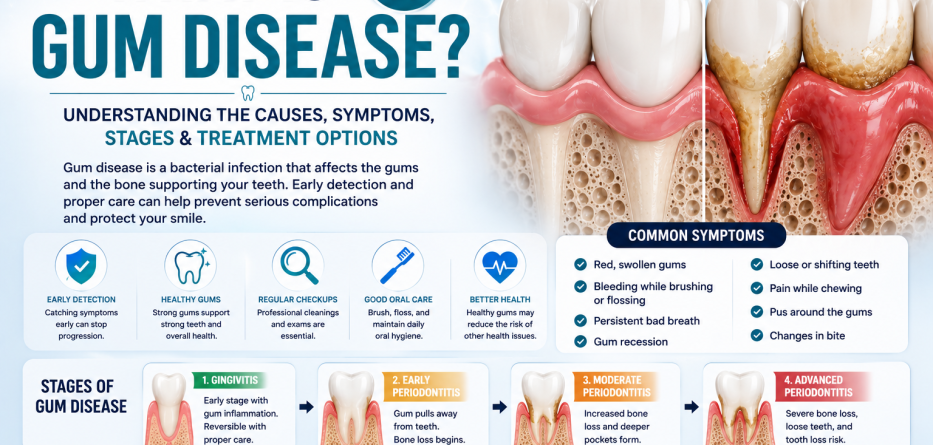
Gum disease is one of the most common oral health conditions affecting millions of people worldwide. Unfortunately, many individuals do not realize they have gum disease until significant damage has already occurred. Because the condition often develops gradually and painlessly, recognizing the early signs of gum disease is essential for protecting your teeth, gums, and overall oral health.
When detected early, gum disease can often be treated successfully and prevented from progressing into more serious stages. However, untreated gum disease can lead to tooth loss, bone deterioration, bad breath, and even systemic health complications.
In this guide, we’ll explore the most common signs of gum disease, its causes, stages, treatment options, and when to seek professional dental care.
What Is Gum Disease?
Gum disease, also known as periodontal disease, is an infection and inflammation of the tissues that support your teeth.
It develops when plaque and bacteria accumulate along the gumline.
The condition generally progresses through two stages:
Gingivitis
The earliest stage of gum disease.
Characteristics include:
- Red gums
- Swollen gums
- Bleeding when brushing or flossing
At this stage, the condition is usually reversible.
Periodontitis
An advanced form of gum disease that affects the bone supporting the teeth.
This stage can result in:
- Gum recession
- Bone loss
- Loose teeth
- Tooth loss
Why Early Detection Matters
Early treatment can:
- Prevent permanent damage
- Protect tooth-supporting bone
- Reduce treatment costs
- Preserve natural teeth
- Improve overall health
Recognizing warning signs early is the best defense against serious complications.
1. Bleeding Gums
One of the earliest and most common signs of gum disease is bleeding gums.
You may notice bleeding:
- While brushing
- During flossing
- When eating hard foods
Healthy gums generally should not bleed during normal oral hygiene practices.
What It Indicates
Bleeding often signals inflammation caused by bacterial plaque buildup.
2. Red or Swollen Gums
Healthy gums are typically firm and pink.
Gums affected by disease may appear
- Bright red
- Dark red
- Puffy
- Tender
Inflammation is the body’s response to bacterial infection and should not be ignored.
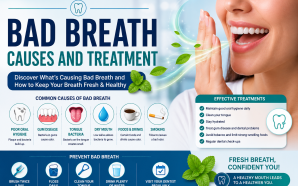
3. Persistent Bad Breath
Chronic bad breath, also known as halitosis, can be a sign of gum disease.
Why It Happens
Bacteria trapped beneath the gumline produce unpleasant odors.
Bad breath that persists despite brushing, flossing, and mouthwash may indicate an underlying periodontal problem.
4. Gum Recession
Gum recession occurs when the gum tissue pulls away from the teeth.
Signs include:
- Teeth appearing longer
- Visible tooth roots
- Increased tooth sensitivity
Receding gums are often a sign that periodontal disease has begun damaging supporting tissues.
5. Sensitive Teeth
Patients with gum disease frequently experience increased sensitivity.
Common triggers include:
- Hot drinks
- Cold foods
- Sweet foods
- Air exposure
Sensitivity often develops when gum recession exposes the tooth roots.
6. Loose or Shifting Teeth
As gum disease progresses, it can destroy the bone supporting the teeth.
This may cause:
- Teeth to loosen
- Changes in bite alignment
- Teeth shifting position
- Increased spacing between teeth
Loose teeth are often a sign of advanced periodontitis and require immediate attention.
7. Pain While Chewing
Discomfort during chewing may indicate:
- Gum infection
- Bone loss
- Periodontal pockets
- Tooth mobility
Pain while eating should never be ignored, especially if it persists.
8. Pus Between Teeth and Gums
The presence of pus is a clear sign of infection.
You may notice:
- White discharge
- Bad taste in the mouth
- Swelling around the gums
This symptom often indicates advanced gum disease and requires prompt treatment.
9. Changes in the Way Your Teeth Fit Together
As periodontal disease progresses, structural support around the teeth can weaken.
Possible changes include:
- Bite feels different
- Teeth no longer align properly
- Difficulty chewing
These changes often indicate underlying bone loss.
10. Deep Pockets Around Teeth
Healthy gums fit snugly around teeth.
Gum disease can cause pockets to form between the gums and teeth.
These pockets:
- Collect bacteria
- Increase infection risk
- Accelerate tissue destruction
Dentists measure pocket depth during periodontal examinations.
Common Causes of Gum Disease
Several factors increase the risk of developing periodontal disease.
Poor Oral Hygiene
Plaque accumulation is the primary cause.
Smoking
Smoking significantly increases periodontal disease risk.
Diabetes
Poorly controlled diabetes can impair healing and increase susceptibility to infection.
Hormonal Changes
Pregnancy and menopause may increase gum sensitivity.
Genetics
Some individuals are naturally more prone to periodontal disease.
Certain Medications
Some medications may reduce saliva flow and affect gum health.
Stages of Gum Disease
| Stage | Characteristics |
|---|---|
| Healthy Gums | Pink, firm, no bleeding |
| Gingivitis | Redness, swelling, bleeding |
| Early Periodontitis | Gum recession, pocket formation |
| Moderate Periodontitis | Bone loss, tooth mobility |
| Advanced Periodontitis | Severe bone loss, potential tooth loss |
How Gum Disease Is Diagnosed
A dentist may use several methods to diagnose gum disease.
Comprehensive Examination
Assessment of:
- Gum appearance
- Bleeding
- Tooth mobility
Periodontal Probing
Measures pocket depth around teeth.
Dental X-Rays
Identify bone loss and hidden damage.
Early diagnosis improves treatment outcomes significantly.
Treatment Options for Gum Disease
Professional Dental Cleaning
Effective for early gingivitis.
Scaling and Root Planing
Deep cleaning below the gumline.
Antibiotic Therapy
May help control bacterial infection.
Periodontal Surgery
Recommended for advanced cases.
Maintenance Visits
Regular follow-up care helps prevent recurrence.
How to Prevent Gum Disease
Prevention is easier than treatment.
Daily Prevention Tips
- Brush twice daily
- Floss every day
- Use fluoride toothpaste
- Avoid tobacco products
- Eat a balanced diet
- Visit your dentist regularly
Consistent oral hygiene significantly reduces your risk.
Frequently Asked Questions
What is usually the first sign of gum disease?
Bleeding gums during brushing or flossing are often the earliest warning sign.
Can gum disease go away on its own?
No. Professional treatment and improved oral hygiene are usually necessary.
Is gum disease painful?
Early gum disease is often painless, which is why regular dental checkups are important.
Can gum disease cause tooth loss?
Yes. Advanced periodontitis can destroy bone and supporting tissues, leading to tooth loss.
How common is gum disease?
Gum disease is one of the most common oral health conditions worldwide.
Can smoking worsen gum disease?
Yes. Smoking significantly increases the risk and severity of periodontal disease.
Conclusion
Recognizing the signs of gum disease early can help prevent serious oral health complications. Symptoms such as bleeding gums, persistent bad breath, gum recession, tooth sensitivity, and loose teeth should never be ignored.
The good news is that early-stage gum disease is often reversible with professional treatment and proper oral hygiene. Regular dental checkups, daily brushing and flossing, and prompt attention to warning signs can help protect your gums and maintain a healthy smile for years to come.
If you notice any signs of gum disease, schedule a dental examination as soon as possible. Early intervention is the key to preserving your oral health and preventing long-term damage.