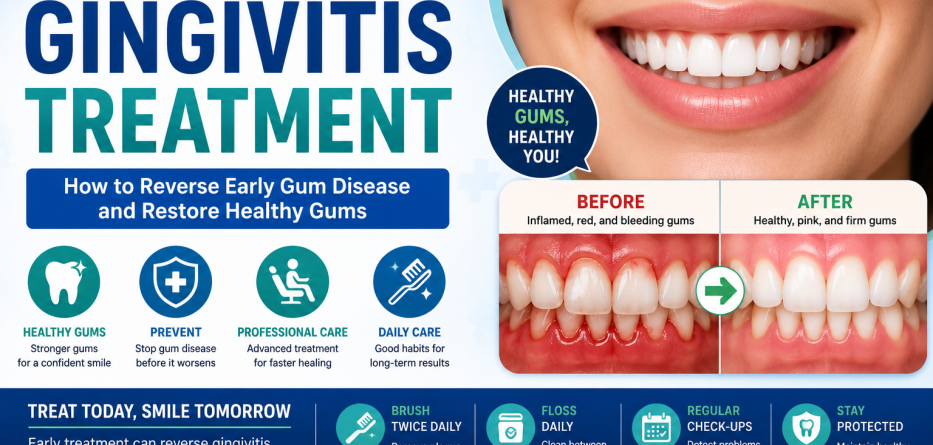
Gingivitis is one of the most common oral health problems affecting millions of people worldwide. It is the earliest stage of gum disease and is characterized by inflammation, redness, swelling, and bleeding of the gums. The good news is that gingivitis is often reversible when detected and treated early.
Ignoring gingivitis can allow the condition to progress into periodontitis, a more serious form of gum disease that can lead to gum recession, bone loss, and even tooth loss. Understanding the causes, symptoms, and treatment options for gingivitis is essential for maintaining healthy gums and a healthy smile.
In this guide, we’ll explore everything you need to know about gingivitis treatment, including professional procedures, home care strategies, prevention tips, and frequently asked questions.
What Is Gingivitis?
Gingivitis is a mild form of gum disease caused by the buildup of plaque—a sticky film of bacteria—on the teeth and along the gumline.
When plaque is not removed through regular brushing and flossing, bacteria irritate the gums, causing inflammation.
Quick Definition
Gingivitis is the early stage of gum disease that causes red, swollen, and bleeding gums but does not yet involve permanent damage to the teeth or supporting bone
What Causes Gingivitis?
Several factors can contribute to gingivitis.
Common Causes
- Poor oral hygiene
- Plaque buildup
- Tartar accumulation
- Smoking and tobacco use
- Hormonal changes
- Diabetes
- Certain medications
- Dry mouth
- Nutritional deficiencies
Plaque accumulation remains the leading cause of gingivitis.
Signs and Symptoms of Gingivitis
Recognizing symptoms early can help prevent progression.
Common Symptoms
- Red or dark-colored gums
- Swollen gums
- Bleeding while brushing or flossing
- Tender gums
- Persistent bad breath
- Receding gumline
- Increased gum sensitivity
Many people experience mild symptoms initially, making regular dental checkups especially important.
Why Is Gingivitis Treatment Important?
Without treatment, gingivitis can progress into periodontitis, a serious gum infection.
Risks of Untreated Gingivitis
- Chronic gum inflammation
- Gum recession
- Bone loss
- Tooth mobility
- Tooth loss
- Increased dental treatment costs
Early treatment helps protect both oral health and overall health.
How Is Gingivitis Diagnosed?
A dentist or dental hygienist can diagnose gingivitis through a comprehensive oral examination.
Evaluation May Include
- Visual gum assessment
- Measurement of gum pockets
- Dental X-rays if needed
- Review of oral hygiene habits
- Medical history evaluation
Early diagnosis allows for simpler and more effective treatment.
Professional Gingivitis Treatment Options
1. Professional Dental Cleaning
The first step in treating gingivitis is usually a professional cleaning.
During the cleaning, the dental professional removes:
- Plaque
- Tartar (calculus)
- Surface stains
Professional cleanings help eliminate the bacterial buildup causing inflammation.
2. Scaling and Root Planing
If gingivitis has progressed or significant tartar is present, a deep cleaning procedure may be recommended.
Scaling
Removes plaque and tartar from above and below the gumline.
Root Planing
Smooths tooth root surfaces to discourage bacterial attachment.
Benefits include:
- Reduced inflammation
- Improved gum attachment
- Better healing
3. Antibacterial Treatments
Dentists may recommend antimicrobial therapies such as:
- Antibacterial mouth rinses
- Prescription mouthwashes
- Local antibiotic treatments
These therapies help reduce bacterial growth and support healing.
Home Remedies and Daily Care for Gingivitis
Professional treatment is essential, but daily oral care plays a critical role in recovery.
Proper Brushing Technique
Brush your teeth:
- Twice daily
- For at least two minutes
- Using a soft-bristled toothbrush
Electric toothbrushes may improve plaque removal.
Daily Flossing
Flossing removes plaque and food particles from areas a toothbrush cannot reach.
Benefits include:
- Reduced gum inflammation
- Better plaque control
- Healthier gum tissue
Antiseptic Mouthwash
Using an antiseptic rinse can help:
- Reduce bacteria
- Freshen breath
- Support gum healing
Always follow your dentist’s recommendations.
How Long Does Gingivitis Treatment Take?
The recovery timeline depends on the severity of the condition and patient compliance.
Typical Timeline
| Treatment Stage | Time Frame |
|---|---|
| Professional Cleaning | 1 Visit |
| Initial Improvement | 1–2 Weeks |
| Significant Healing | 2–4 Weeks |
| Ongoing Maintenance | Lifelong |
Many patients notice reduced bleeding and inflammation within a few weeks of improving their oral hygiene.
Foods That Support Healthy Gums
Nutrition plays an important role in gum health.
Beneficial Foods
- Leafy green vegetables
- Citrus fruits
- Dairy products
- Fish rich in omega-3 fatty acids
- Nuts and seeds
- Lean proteins
Nutrients for Gum Health
- Vitamin C
- Vitamin D
- Calcium
- Magnesium
- Zinc
A balanced diet supports healing and immune function.
Can Gingivitis Be Reversed?
Yes.
One of the most encouraging aspects of gingivitis is that it is usually reversible.
Successful reversal requires:
- Professional dental care.
- Improved oral hygiene.
- Consistent plaque control.
- Regular dental checkups.
The earlier treatment begins, the better the outcome.
How to Prevent Gingivitis
Preventing gingivitis is often easier than treating it.
Prevention Tips
- Brush twice daily.
- Floss every day.
- Visit your dentist regularly.
- Avoid smoking.
- Maintain a balanced diet.
- Use fluoride toothpaste.
- Stay hydrated.
These habits significantly reduce the risk of gum disease.
Gingivitis vs Periodontitis
| Feature | Gingivitis | Periodontitis |
|---|---|---|
| Gum Inflammation | Yes | Yes |
| Bleeding Gums | Yes | Yes |
| Bone Loss | No | Yes |
| Tooth Loss Risk | Low | High |
| Reversible | Yes | Limited |
| Treatment Complexity | Lower | Higher |
Treating gingivitis early helps prevent progression to periodontitis.
Frequently Asked Questions
What is the best treatment for gingivitis?
Professional dental cleaning combined with excellent oral hygiene is usually the most effective treatment.
Can gingivitis go away on its own?
No. While symptoms may fluctuate, professional treatment and improved oral care are generally required.
How quickly can gingivitis heal?
Many patients notice improvement within one to two weeks after beginning treatment and improving oral hygiene.
Is gingivitis painful?
Some people experience tenderness or sensitivity, while others may have few symptoms.
Can mouthwash cure gingivitis?
Mouthwash can help control bacteria but should be used alongside brushing, flossing, and professional care.
Can children get gingivitis?
Yes. Children and teenagers can develop gingivitis if plaque accumulates around the gums.
Conclusion
Gingivitis is a common but highly treatable form of gum disease. When detected early, professional dental care combined with consistent oral hygiene can reverse the condition and restore healthy gums.
Understanding the causes, symptoms, and treatment options for gingivitis empowers patients to take proactive steps toward better oral health. By maintaining good brushing and flossing habits, scheduling regular dental visits, and addressing symptoms promptly, you can protect your gums and enjoy a healthier smile for years to come.