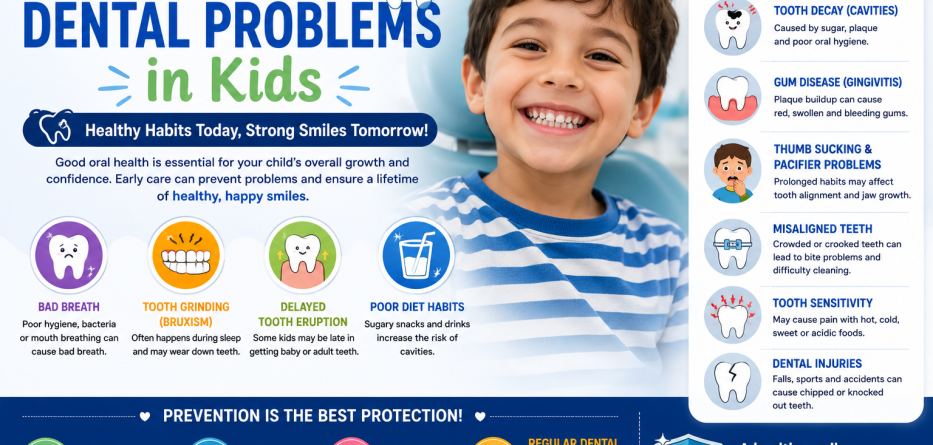
Children’s dental health plays a vital role in their overall well-being, development, and confidence. Healthy teeth help kids chew food properly, speak clearly, and maintain a beautiful smile. However, many children experience dental problems that can affect their oral health if left untreated.
From cavities and tooth decay to gum disease and misaligned teeth, understanding the most common dental problems in kids can help parents take preventive action early. Regular dental visits, proper oral hygiene habits, and a balanced diet can significantly reduce the risk of dental issues.
In this guide, we’ll discuss the most common dental problems in children, their causes, symptoms, and practical prevention strategies.
Why Children’s Dental Health Matters
Baby teeth may eventually fall out, but they play an important role in a child’s development.
Healthy primary teeth help:
- Guide permanent teeth into place
- Support speech development
- Enable proper chewing
- Maintain facial structure
- Build self-confidence
Poor oral health during childhood can lead to long-term dental complications.
1. Tooth Decay (Dental Cavities)
What Is Tooth Decay?
Tooth decay is one of the most common chronic childhood diseases worldwide. It occurs when bacteria in the mouth produce acids that damage tooth enamel.
Causes
- Frequent sugary snacks
- Sugary drinks
- Poor brushing habits
- Inadequate fluoride exposure
Symptoms
- Tooth sensitivity
- Toothache
- White or brown spots on teeth
- Visible holes in teeth
Prevention
- Brush twice daily with fluoride toothpaste
- Limit sugary foods and drinks
- Schedule regular dental checkups
- Encourage healthy eating habits
2. Early Childhood Cavities (Baby Bottle Tooth Decay)
This condition commonly affects infants and toddlers.
Causes
- Sleeping with a bottle
- Frequent consumption of milk or juice at bedtime
- Prolonged bottle feeding
Symptoms
- White spots on front teeth
- Brown discoloration
- Tooth decay in upper front teeth
Prevention
- Avoid putting babies to bed with bottles
- Clean gums and teeth regularly
- Transition to a cup around one year of age
3. Gum Disease (Gingivitis)
Although more common in adults, children can also develop gum disease.
Causes
- Plaque buildup
- Poor oral hygiene
- Hormonal changes during adolescence
Symptoms
- Red gums
- Swollen gums
- Bleeding while brushing
- Bad breath
Prevention
- Daily brushing and flossing
- Professional dental cleanings
- Regular oral examinations
4. Tooth Sensitivity
Some children experience discomfort when consuming hot, cold, sweet, or acidic foods.
Causes
- Enamel wear
- Cavities
- Cracked teeth
- Gum recession
Symptoms
- Sharp pain while eating or drinking
- Temporary discomfort
Prevention
- Use age-appropriate toothpaste
- Avoid excessive acidic foods
- Treat cavities promptly
5. Thumb Sucking and Pacifier Problems
Thumb sucking is normal during infancy, but prolonged habits can affect dental development.
Potential Effects
- Misaligned teeth
- Bite problems
- Changes in jaw development
When to Be Concerned
Most dentists recommend addressing persistent thumb sucking after age four.
Prevention
- Positive reinforcement
- Behavioral guidance
- Consultation with a pediatric dentist
6. Misaligned Teeth and Bite Problems
Orthodontic issues often begin during childhood.
Common Problems
- Crowded teeth
- Overbite
- Underbite
- Crossbite
- Open bite
Causes
- Genetics
- Thumb sucking
- Early tooth loss
Treatment Options
- Orthodontic evaluation
- Braces
- Clear aligners
- Space maintainers
Early intervention often improves outcomes.
7. Tooth Grinding (Bruxism)
Many children grind their teeth during sleep.
Causes
- Stress
- Anxiety
- Misaligned teeth
- Sleep disturbances
Symptoms
- Worn teeth
- Jaw discomfort
- Morning headaches
Prevention
- Stress management
- Dental monitoring
- Nightguards in some cases
Most children outgrow this habit naturally.
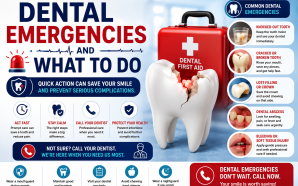
8. Dental Injuries and Trauma
Children are active and prone to accidents during sports and play.
Common Injuries
- Chipped teeth
- Cracked teeth
- Knocked-out teeth
- Soft tissue injuries
Prevention
- Wear mouthguards during sports
- Use helmets when appropriate
- Childproof play areas
Immediate dental care is essential after injury.
9. Delayed Tooth Eruption
Some children experience delays in the appearance of baby or permanent teeth.
Causes
- Genetics
- Nutritional deficiencies
- Medical conditions
When to See a Dentist
If teeth are significantly delayed compared to developmental milestones, professional evaluation may be recommended.
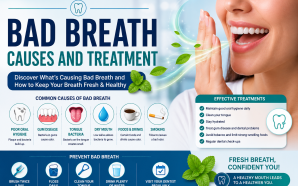
10. Bad Breath (Halitosis)
Persistent bad breath may indicate an underlying oral health issue.
Causes
- Poor oral hygiene
- Dry mouth
- Cavities
- Gum disease
- Mouth breathing
Prevention
- Proper brushing
- Tongue cleaning
- Adequate hydration
- Routine dental visits
Warning Signs Parents Should Not Ignore
Contact a dentist if your child experiences:
- Persistent tooth pain
- Bleeding gums
- Swollen gums
- Tooth discoloration
- Difficulty chewing
- Loose permanent teeth
- Mouth injuries
Early diagnosis can prevent more serious complications.
Tips for Maintaining Healthy Teeth in Children
Daily Oral Care Routine
- Brush twice daily.
- Floss once daily.
- Use fluoride toothpaste.
- Replace toothbrushes regularly.
Healthy Eating Habits
Encourage:
- Fresh fruits
- Vegetables
- Dairy products
- Water
Limit:
- Candy
- Soda
- Sugary snacks
- Sticky sweets
Regular Dental Visits
Most dentists recommend checkups every six months.
Professional care helps detect problems before they become serious.
Common Dental Problems in Kids: Quick Comparison
| Dental Problem | Common Cause | Prevention |
|---|---|---|
| Cavities | Sugar and plaque | Brushing and fluoride |
| Gingivitis | Plaque buildup | Oral hygiene |
| Tooth Grinding | Stress | Monitoring |
| Misaligned Teeth | Genetics | Early orthodontic care |
| Dental Injuries | Sports accidents | Mouthguards |
| Bad Breath | Poor hygiene | Regular cleaning |
Frequently Asked Questions
What is the most common dental problem in children?
Tooth decay is the most common dental problem affecting children worldwide.
At what age should children start seeing a dentist?
Children should visit a dentist by their first birthday or within six months of their first tooth appearing.
How can I prevent cavities in my child?
Regular brushing, fluoride use, healthy eating habits, and routine dental visits are key to cavity prevention.
Is thumb sucking harmful?
Thumb sucking is normal in young children but may affect dental development if it continues beyond age four.
How often should children visit the dentist?
Most children should have dental checkups every six months.
Why does my child grind their teeth at night?
Teeth grinding may be caused by stress, bite alignment issues, or developmental factors.
Conclusion
Understanding the common dental problems in kids allows parents to take proactive steps toward protecting their children’s oral health. Issues such as tooth decay, gum disease, thumb sucking, and dental injuries are common but often preventable with good oral hygiene, healthy eating habits, and regular dental care.
By encouraging positive dental habits early and scheduling routine checkups, parents can help their children maintain healthy smiles that last a lifetime. Early prevention and treatment remain the best strategies for ensuring strong teeth and excellent oral health throughout childhood and beyond.