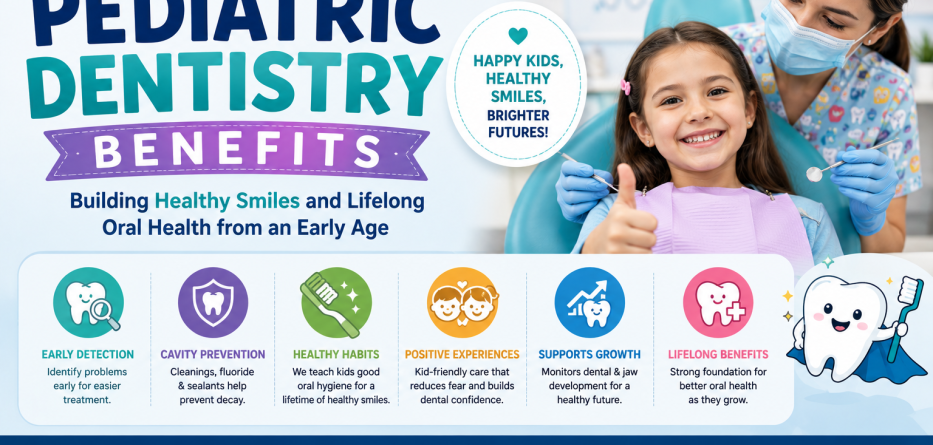
A child’s smile is precious, and maintaining good oral health from an early age is essential for their overall well-being. While many parents focus on nutrition, education, and physical health, dental care is equally important during childhood. This is where pediatric dentistry plays a crucial role.
Pediatric dentistry specializes in the oral health of infants, children, and teenagers. Pediatric dentists receive advanced training to understand the unique dental needs of growing children and create positive dental experiences that encourage lifelong oral health habits.
In this article, we’ll explore the key benefits of pediatric dentistry, why early dental visits matter, and how specialized dental care can help children develop healthy, confident smiles.
What Is Pediatric Dentistry?
Pediatric dentistry is a specialized branch of dentistry focused on the prevention, diagnosis, and treatment of oral health issues in children.
Pediatric dentists care for the following:
- Infants
- Toddlers
- Children
- Teenagers
- Children with special healthcare needs
They are specially trained to manage developing teeth, gums, and jaws while creating a child-friendly environment.
Why Is Pediatric Dentistry Important?
Children’s teeth play an important role in the following:
- Proper chewing
- Speech development
- Jaw growth
- Facial development
- Guiding permanent teeth into position
Neglecting oral health during childhood can lead to problems that affect both baby teeth and permanent teeth.
Early dental care helps prevent these complications before they become serious.
Top Benefits of Pediatric Dentistry
1. Early Detection of Dental Problems
One of the biggest advantages of pediatric dentistry is identifying issues before they worsen.
Regular dental visits help detect:
- Tooth decay
- Cavities
- Gum disease
- Bite problems
- Jaw development concerns
- Orthodontic issues
Early intervention often means simpler and less expensive treatment.
2. Prevention of Cavities and Tooth Decay
Tooth decay is one of the most common childhood health conditions.
Pediatric dentists help prevent cavities through the following:
- Professional cleanings
- Fluoride treatments
- Dental sealants
- Oral hygiene education
Preventive care significantly reduces the risk of dental problems.
3. Establishing Healthy Oral Hygiene Habits
Children learn best when healthy habits are introduced early.
Pediatric dentists educate both children and parents about:
- Proper brushing techniques
- Flossing habits
- Healthy dietary choices
- Preventive oral care
These habits often continue into adulthood.
4. Monitoring Growth and Development
Children’s mouths are constantly changing.
Pediatric dentists monitor the following:
- Tooth eruption patterns
- Jaw growth
- Bite alignment
- Oral development
Regular monitoring allows early identification of orthodontic concerns.
5. Creating Positive Dental Experiences
Many adults with dental anxiety developed their fears during childhood.
Pediatric dental offices are designed to help children feel comfortable through:
- Child-friendly environments
- Gentle communication
- Positive reinforcement
- Age-appropriate treatment approaches
Positive early experiences can reduce dental anxiety for life.
6. Specialized Care for Children’s Needs
Children are not simply small adults when it comes to dental care.
Pediatric dentists receive additional training in the following:
- Child behavior management
- Growth and development
- Pediatric dental treatments
- Emergency dental care
This specialized expertise allows them to provide age-appropriate treatment.
7. Protection of Baby Teeth
Some parents assume baby teeth are not important because they eventually fall out.
However, primary teeth serve critical functions:
- Maintaining space for permanent teeth
- Supporting speech development
- Assisting proper chewing
- Promoting healthy jaw growth
Protecting baby teeth helps support future oral health.
8. Early Orthodontic Evaluation
Pediatric dentists can identify signs of orthodontic issues before they become severe.
Common concerns include:
- Crowded teeth
- Overbites
- Underbites
- Crossbites
- Jaw alignment issues
Early intervention may reduce the need for extensive treatment later.
9. Nutritional Guidance
Diet directly affects oral health.
Pediatric dentists provide recommendations regarding the following:
- Sugar consumption
- Healthy snacks
- Beverage choices
- Oral health-friendly nutrition
These dietary habits contribute to stronger teeth and healthier gums.
10. Emergency Dental Care
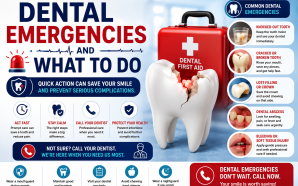
Children are active and often experience accidents during sports and play.
Pediatric dentists are trained to handle the following:
- Chipped teeth
- Broken teeth
- Knocked-out teeth
- Dental injuries
- Oral trauma
Prompt treatment can help save teeth and prevent complications.
Common Pediatric Dental Services
Pediatric dental practices typically offer the following:
- Dental exams
- Professional cleanings
- Fluoride treatments
- Dental sealants
- Cavity fillings
- Tooth extractions
- Emergency care
- Orthodontic evaluations
- Habit counseling
- Preventive education
These services help support healthy oral development.
When Should a Child First Visit the Dentist?
The American Academy of Pediatric Dentistry recommends that children visit a dentist by:
- Their first birthday, or
- Within six months of the first tooth appearing
Early visits allow dentists to monitor development and educate parents on proper oral care.
How Often Should Children Visit the Dentist?
Most children benefit from dental visits every six months.
Regular appointments allow dentists to:
- Monitor oral health
- Detect problems early
- Provide preventive treatments
- Reinforce healthy habits
Children with specific dental concerns may require more frequent visits.
Signs Your Child May Need a Dental Checkup
Parents should schedule an appointment if they notice:
- Tooth pain
- Tooth sensitivity
- Swollen gums
- Persistent bad breath
- White or dark spots on teeth
- Difficulty chewing
- Delayed tooth eruption
Prompt evaluation can prevent more serious issues.
Pediatric Dentistry vs General Dentistry
| Feature | Pediatric Dentist | General Dentist |
|---|---|---|
| Specialized Child Training | Yes | Limited |
| Child Behavior Management | Extensive | General |
| Child-Friendly Environment | Yes | Varies |
| Growth Monitoring | Extensive | Basic |
| Pediatric Emergencies | Specialized | General |
While general dentists can treat children, pediatric dentists receive additional years of specialized training.
Frequently Asked Questions
What age should a child first see a dentist?
Children should visit a dentist by age one or within six months of their first tooth appearing.
Are baby teeth really important?
Yes. Baby teeth help with speech, chewing, jaw development, and guiding permanent teeth into place.
How often should children have dental checkups?
Most children should visit a dentist every six months.
What are dental sealants?
Dental sealants are protective coatings applied to molars to help prevent cavities.
Can pediatric dentists treat dental emergencies?
Yes. Pediatric dentists are specially trained to manage dental injuries and emergencies in children.
How can I help my child avoid cavities?
Regular dental visits, proper brushing, healthy eating habits, fluoride treatments, and dental sealants can help prevent cavities.
Conclusion
The benefits of pediatric dentistry extend far beyond routine dental checkups. From preventing cavities and monitoring development to creating positive dental experiences and promoting lifelong oral health habits, pediatric dentistry plays a vital role in a child’s overall health and well-being.
By starting dental care early and scheduling regular visits with a pediatric dentist, parents can help ensure their children enjoy healthy teeth, healthy gums, and confident smiles for years to come. Investing in pediatric dental care today can lead to a lifetime of better oral health.