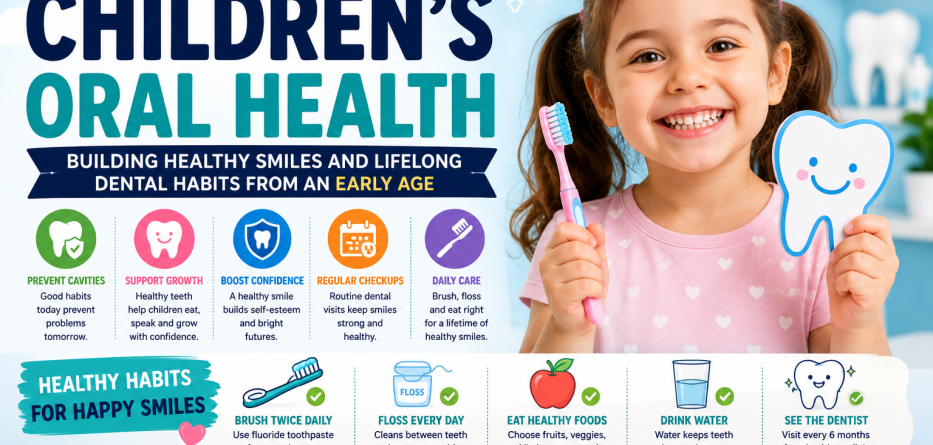
A healthy smile starts early. Children’s oral health plays a vital role in their overall well-being, affecting everything from eating and speaking to confidence and academic performance. Good dental habits established during childhood often continue into adulthood, making early oral care one of the best investments parents can make in their child’s health.
Unfortunately, tooth decay remains one of the most common chronic childhood conditions worldwide. The good news is that most dental problems are preventable with proper oral hygiene, healthy nutrition, and regular dental visits.
In this guide, we’ll explore everything parents need to know about children’s oral health, including dental care tips, common oral health problems, preventive measures, and when to visit the dentist.
Why Is Children’s Oral Health Important?
Healthy teeth are essential for more than just a beautiful smile.
Children rely on their teeth for the following:
- Chewing food properly
- Clear speech development
- Proper jaw growth
- Maintaining space for permanent teeth
- Building self-confidence
Poor oral health can lead to pain, infections, difficulty eating, and problems with school performance.
Understanding Primary (Baby) Teeth
Baby teeth, also called primary teeth, begin appearing around six months of age.
Most children have:
- 20 primary teeth
- Full set by age 3
Although baby teeth eventually fall out, they serve important functions.
Why Baby Teeth Matter
They help:
- Guide permanent teeth into position
- Support speech development
- Enable proper chewing
- Maintain facial structure
Premature tooth loss can affect future dental development.
Common Oral Health Problems in Children
1. Tooth Decay (Cavities)
Cavities are the most common dental problem among children.
Causes include:
- Frequent sugary snacks
- Poor brushing habits
- Inadequate fluoride exposure
- Lack of regular dental care
Signs may include:
- Tooth sensitivity
- Pain
- White or brown spots
- Visible holes in teeth
2. Gum Disease
Although more common in adults, children can develop gingivitis.
Symptoms include:
- Red gums
- Swelling
- Bleeding during brushing
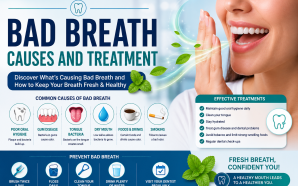
- Bad breath
Proper oral hygiene usually resolves early-stage gum disease.
3. Thumb Sucking and Pacifier Use
Prolonged thumb-sucking can affect:
- Tooth alignment
- Jaw development
- Bite patterns
Most children naturally stop these habits, but parents should discuss concerns with their dentist if the habit continues beyond age four.
4. Dental Injuries
Active children are more likely to experience:
- Chipped teeth
- Broken teeth
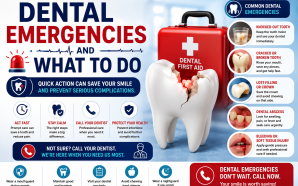
- Knocked-out teeth
Sports mouthguards can help reduce injury risk.
How to Care for Children’s Teeth at Every Age
Birth to 12 Months
Before teeth erupt:
- Clean gums with a soft, damp cloth
- Avoid putting babies to bed with bottles
Once teeth appear:
- Use a soft infant toothbrush
- Brush twice daily
Ages 1–3 Years
Begin using a small amount of fluoride toothpaste.
Tips:
- Brush twice daily
- Supervise brushing
- Limit sugary drinks
Ages 3–6 Years
Children can begin learning independent brushing skills.
Parents should:
- Use a pea-sized amount of fluoride toothpaste
- Continue supervision
- Encourage proper brushing techniques
Ages 6 and Older
As permanent teeth emerge:
- Reinforce daily brushing and flossing
- Schedule routine dental checkups
- Encourage healthy eating habits
Most children still need assistance to ensure effective cleaning.
Proper Brushing and Flossing Techniques
Brushing Tips
Children should:
- Brush twice daily
- Brush for two minutes
- Use fluoride toothpaste
- Reach all tooth surfaces
Flossing Tips
Flossing should begin when teeth touch each other.
Benefits include:
- Removing plaque
- Preventing cavities
- Protecting gum health
The Role of Fluoride in Children’s Oral Health
Fluoride helps strengthen tooth enamel and reduce cavity risk.
Sources include:
- Fluoridated water
- Toothpaste
- Professional fluoride treatments
Benefits of fluoride:
- Stronger enamel
- Reduced decay risk
- Improved long-term oral health
Parents should ensure children use the appropriate amount of fluoride toothpaste.
Nutrition and Oral Health
A balanced diet contributes significantly to healthy teeth.
Foods That Support Oral Health
- Dairy products
- Leafy greens
- Fresh fruits
- Vegetables
- Lean proteins
- Nuts and seeds
Foods to Limit
- Candy
- Soda
- Sticky snacks
- Sugary juices
- Processed sweets
Frequent sugar exposure increases cavity risk.
Importance of Regular Dental Checkups
The first dental visit should occur:
- By age one
- Or within six months of the first tooth erupting
Regular dental visits help:
- Detect problems early
- Prevent cavities
- Monitor development
- Build positive dental experiences
Most children benefit from dental examinations every six months.
Dental Sealants for Children
Dental sealants are thin protective coatings applied to the chewing surfaces of molars.
Benefits include:
- Reduced cavity risk
- Protection of hard-to-clean grooves
- Long-lasting prevention
Sealants are especially effective for school-age children.
How to Prevent Cavities in Children
Parents can help prevent tooth decay by:
- Brushing twice daily.
- Encouraging daily flossing.
- Limiting sugary foods and beverages.
- Providing fluoridated toothpaste.
- Scheduling regular dental visits.
- Considering dental sealants.
- Promoting healthy dietary habits.
Prevention is significantly easier and less costly than treatment.
Signs Your Child May Need a Dentist
Contact your dentist if your child experiences:
- Tooth pain
- Swollen gums
- Persistent bad breath
- Tooth discoloration
- Difficulty chewing
- Dental trauma
- Loose permanent teeth
Early intervention often prevents more serious problems.
Building Lifelong Healthy Habits
Positive oral health habits developed during childhood often continue into adulthood.
Parents can encourage healthy habits by:
- Leading by example
- Making brushing fun
- Creating daily routines
- Rewarding consistency
- Scheduling regular dental visits
Consistency is key to lifelong oral health success.
Frequently Asked Questions
When should my child first visit the dentist?
Children should visit the dentist by age one or within six months of their first tooth appearing.
How often should children brush their teeth?
Children should brush twice daily using fluoride toothpaste.
Are baby teeth really important?
Yes. Baby teeth support eating, speaking, and proper development of permanent teeth.
What causes cavities in children?
Cavities are caused by bacteria, sugar consumption, and inadequate oral hygiene.
Are fluoride treatments safe?
Yes. Professional fluoride treatments are safe and highly effective when used appropriately.
Do children need flossing?
Yes. Flossing should begin when neighboring teeth start touching.
Conclusion
Children’s oral health is a critical part of their overall development and well-being. Healthy teeth help children eat, speak, learn, and smile with confidence. By establishing good oral hygiene habits early, providing a nutritious diet, and scheduling regular dental visits, parents can significantly reduce the risk of dental problems and support lifelong oral health.
Investing in preventive dental care today can help ensure your child enjoys a healthy, beautiful smile for years to come.