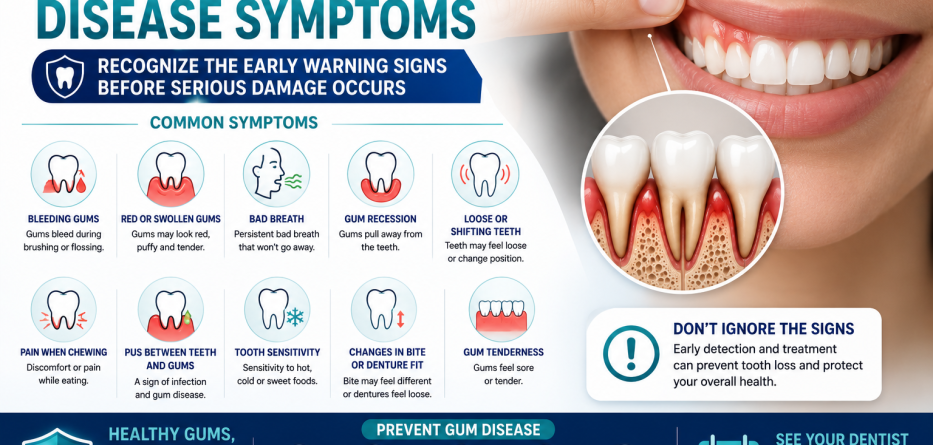
Periodontal disease, commonly known as gum disease, is one of the most prevalent oral health conditions affecting adults worldwide. While it often begins with mild symptoms, untreated periodontal disease can lead to serious complications, including gum recession, tooth loss, and even impacts on overall health.
The challenge is that many people do not recognize the early warning signs until significant damage has already occurred. Understanding the symptoms of periodontal disease can help you seek treatment early and protect your teeth and gums.
In this guide, we’ll explore the most common periodontal disease symptoms, the stages of gum disease, risk factors, treatment options, and when to see a dentist.
What Is Periodontal Disease?
Periodontal disease is a bacterial infection that affects the tissues and bone supporting your teeth.
It typically develops when plaque and tartar accumulate along the gumline, causing inflammation and infection.
The disease generally progresses through two stages:
Gingivitis
The earliest stage of gum disease.
Characteristics include:
- Gum inflammation
- Redness
- Bleeding during brushing or flossing
At this stage, damage is usually reversible.
Periodontitis
An advanced form of gum disease.
It can lead to:
- Bone loss
- Gum recession
- Loose teeth
- Tooth loss
Early detection is essential to prevent progression.
Common Symptoms of Periodontal Disease
1. Bleeding Gums
One of the earliest and most common signs of periodontal disease is bleeding gums.
You may notice bleeding:
- While brushing
- While flossing
- When eating hard foods
Healthy gums should not bleed regularly.
2. Red or Swollen Gums
Inflamed gums often appear
- Red
- Puffy
- Tender
- Irritated
Swelling occurs as the body responds to bacterial infection.
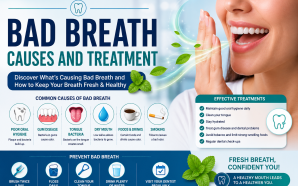
3. Persistent Bad Breath
Chronic bad breath, also known as halitosis, can be a sign of gum disease.
This occurs because bacteria trapped beneath the gums release unpleasant-smelling compounds.
If bad breath persists despite brushing and mouthwash use, periodontal disease may be the cause.
4. Gum Recession
As periodontal disease progresses, gums may begin pulling away from the teeth.
Signs include:
- Teeth appearing longer
- Increased tooth sensitivity
- Visible tooth roots
Gum recession exposes vulnerable areas of the teeth and increases the risk of decay.
5. Loose or Shifting Teeth
Advanced periodontal disease damages the bone supporting the teeth.
This can cause:
- Tooth mobility
- Changes in bite alignment
- Gaps forming between teeth
Loose teeth should always be evaluated by a dental professional.
6. Pain While Chewing
Infection and bone loss may make chewing uncomfortable.
Patients may experience:
- Tenderness
- Pressure sensitivity
- Difficulty eating certain foods
Pain during chewing can indicate advanced periodontal involvement.
7. Pus Between Teeth and Gums
Pus is a sign of active infection.
Symptoms may include:
- Yellow or white discharge
- Bad taste in the mouth
- Swollen gum tissue
This symptom requires immediate dental attention.
8. Increased Tooth Sensitivity
When gums recede, tooth roots become exposed.
This may result in sensitivity to:
- Hot foods
- Cold beverages
- Sweet foods
- Air exposure
Sensitivity often worsens as periodontal disease progresses.
9. Changes in Bite or Denture Fit
Bone loss can affect how teeth fit together.
You may notice:
- Changes in your bite
- Difficulty chewing
- Dentures fitting differently
These changes may indicate underlying periodontal damage.
10. Persistent Gum Tenderness
Healthy gums should feel firm and comfortable.
Tender gums may indicate the following:
- Ongoing inflammation
- Infection
- Periodontal disease progression
Early vs Advanced Periodontal Disease Symptoms
| Early Symptoms | Advanced Symptoms |
|---|---|
| Bleeding gums | Loose teeth |
| Red gums | Tooth loss |
| Mild swelling | Severe gum recession |
| Occasional bad breath | Persistent infection |
| Gum tenderness | Bone loss |
Recognizing early symptoms allows for simpler and more effective treatment.
What Causes Periodontal Disease?
Several factors contribute to gum disease development.
Poor Oral Hygiene
Inadequate brushing and flossing allow plaque accumulation.
Smoking
Smoking significantly increases the risk of periodontal disease.
Diabetes
Poorly controlled diabetes can affect gum health and healing.
Hormonal Changes
Pregnancy and menopause may increase gum sensitivity.
Genetics
Some individuals have a higher genetic susceptibility to gum disease.
Stress
Chronic stress can weaken the immune system and increase inflammation.
Risk Factors for Periodontal Disease
You may have a higher risk if you:
- Smoke or use tobacco products
- Have diabetes
- Have a family history of gum disease
- Neglect oral hygiene
- Experience chronic stress
- Take medications that cause dry mouth
Understanding risk factors can help with prevention.
How Is Periodontal Disease Diagnosed?
Dentists evaluate gum health through:
Clinical Examination
Checking for:
- Gum inflammation
- Bleeding
- Pocket depth
Periodontal Probing
Measures the space between teeth and gums.
Healthy pockets are typically 1–3 millimeters deep.
Dental X-Rays
Used to detect:
- Bone loss
- Advanced infection
- Structural changes
Treatment Options for Periodontal Disease
Treatment depends on disease severity.
Professional Dental Cleaning
Removes plaque and tartar above and below the gumline.
Scaling and Root Planing
Deep cleaning procedure that removes bacterial deposits from root surfaces.
Antibiotic Therapy
May be used to control infection.
Periodontal Surgery
Advanced cases may require surgical treatment.
Examples include:
- Gum grafting
- Flap surgery
- Bone grafting
How to Prevent Periodontal Disease
Preventive care is the best defense against gum disease.
Daily Oral Hygiene
- Brush twice daily
- Floss once daily
- Use antimicrobial mouthwash if recommended
Regular Dental Visits
Professional cleanings help remove hardened plaque deposits.
Quit Smoking
Smoking cessation dramatically improves gum health.
Maintain a Healthy Diet
Consume foods rich in:
- Vitamin C
- Calcium
- Antioxidants
Good nutrition supports healthy gums.
The Connection Between Gum Disease and Overall Health
Research suggests periodontal disease may be linked to:
- Heart disease
- Diabetes complications
- Respiratory infections
- Pregnancy complications
Maintaining healthy gums contributes to overall wellness.
Frequently Asked Questions
What is the first sign of periodontal disease?
Bleeding gums during brushing or flossing are often among the earliest signs.
Can periodontal disease be reversed?
Gingivitis can often be reversed with proper care. Advanced periodontitis usually requires professional treatment.
Does periodontal disease cause tooth loss?
Yes. Untreated periodontal disease is a leading cause of tooth loss in adults.
Is bad breath a symptom of gum disease?
Yes. Persistent bad breath is a common symptom caused by bacterial buildup.
Can periodontal disease be treated without surgery?
Many cases can be managed through professional cleanings, scaling, root planing, and improved oral hygiene.
How often should I visit the dentist?
Most patients benefit from dental checkups and cleanings every six months.
Conclusion
Periodontal disease often develops quietly, but its effects can be serious if left untreated. Symptoms such as bleeding gums, swelling, bad breath, gum recession, and loose teeth should never be ignored. Early diagnosis and treatment can help prevent permanent damage and preserve your smile.
If you notice any symptoms of periodontal disease, schedule a dental evaluation as soon as possible. Taking action early can protect your oral health, improve your quality of life, and help maintain healthy teeth and gums for years to come.